 What Does “Wendigo” Mean?
The primary wendigo meaning refers to a supernatural being in the traditional stories of several Algonquian-speaking Indigenous communities, including Cree, Ojibwe (Anishinaabe), and others.
Although descriptions vary between communities, the wendigo is generally portrayed as a dangerous spirit or transformed human associated with:
- Insatiable hunger
- Greed
- Cannibalism
- Isolation
- Winter
- Spiritual corruption
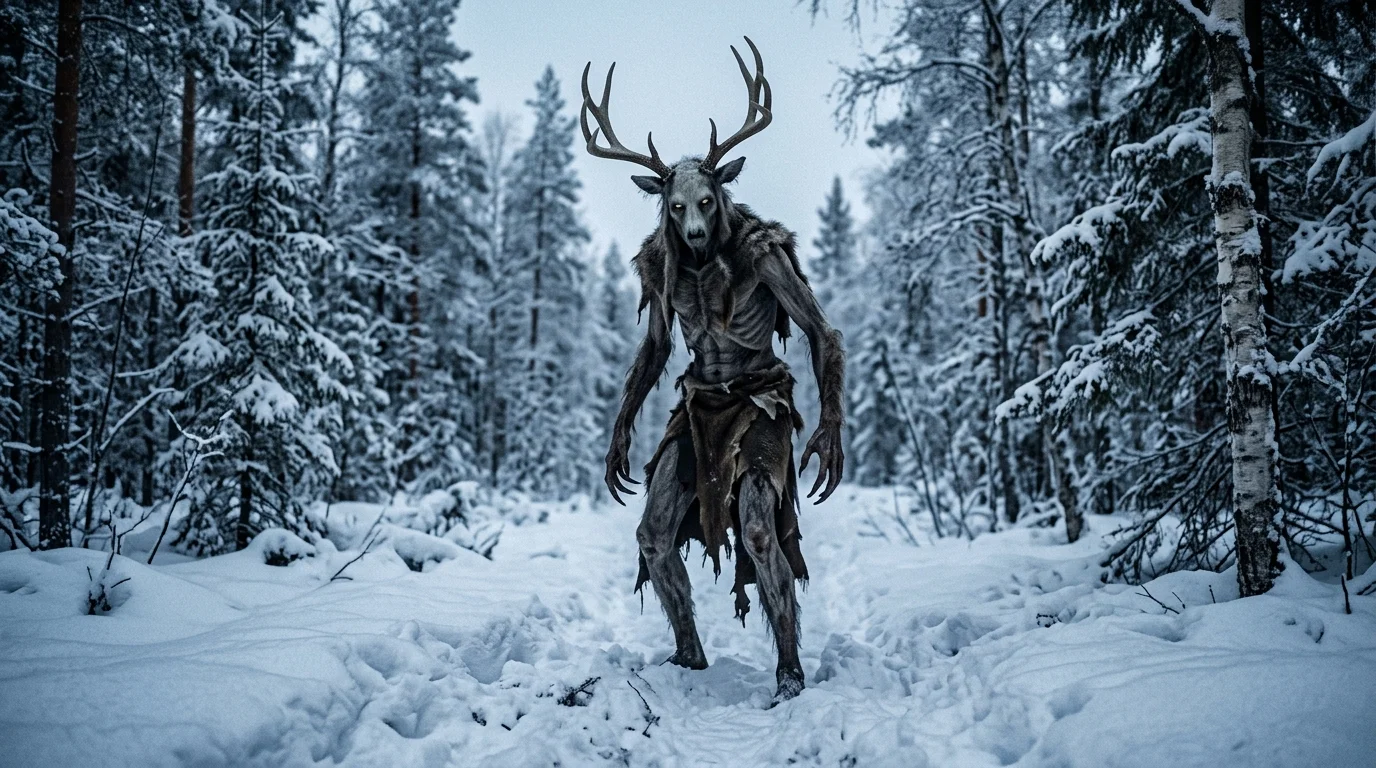
Modern pop culture often depicts it as a tall, terrifying forest creature, but those portrayals don’t always match traditional Indigenous teachings.
Quick Definition
Wendigo = A supernatural being from Algonquian Indigenous folklore that symbolizes destructive greed, endless hunger, and the loss of humanity.
What It Usually Means in Text Messages
In casual chats, someone might say:
“I’m a wendigo after skipping lunch.”
They usually mean:
“I’m unbelievably hungry.”
Others may use it jokingly to describe someone who consumes a lot of food or seems obsessed with getting more.
What Tone Does It Convey?
Depending on context, the tone may be:
- Creepy
- Humorous
- Dramatic
- Symbolic
- Horror-themed
- Sarcastic
When discussing Indigenous traditions, the tone is generally serious and respectful.
What Does Wendigo Mean on Different Platforms?
Text Messages
Friends may jokingly say:
“Don’t stand between me and pizza—I’m a wendigo today.”
Meaning they’re extremely hungry.
Snapchat
The word often appears in:
- Horror-themed captions
- Halloween stories
- Forest adventure posts
You’ll commonly find wendigo references in:
- Horror artwork
- Cosplay photos
- Book recommendations
- Creepy aesthetic pages
TikTok
TikTok creators frequently discuss:
- Urban legends
- Horror stories
- Mythology
- Paranormal content
- Gaming lore
Some videos accurately explain the folklore, while others repeat fictional versions.
Discord
Gaming communities often mention wendigos in discussions about:
- Horror games
- Fantasy role-playing
- Monster designs
- Survival games
Reddit users debate:
- Folklore origins
- Horror movies
- Indigenous legends
- Cryptid theories
- Fictional adaptations
Dating Apps
The term is uncommon but may appear humorously:
“I’ll turn into a wendigo if I miss dinner.”
It’s simply an exaggerated joke about hunger.
Origin and History of Wendigo
The wendigo originates in the oral traditions of several Algonquian Indigenous peoples of North America. While details differ among nations and storytellers, the figure has long served as a warning against destructive behaviors such as greed, selfishness, and cannibalism, especially during times of famine and harsh winters.
The exact spelling varies, including:
- Wendigo
- Windigo
- Wiindigoo
- Witiko (in some traditions)
Modern portrayals in films, television, comics, and video games often add features—such as deer skulls or antlers—that are not consistently found in traditional Indigenous accounts. Because of this, it’s important not to assume that pop culture versions accurately represent the original folklore.
How People Actually Use Wendigo
Today, people use wendigo in several different ways.
Most commonly:
- Referring to Indigenous folklore
- Talking about horror movies
- Discussing scary games
- Describing endless hunger
- Comparing someone to a monster driven by greed
You’ll often see comments like:
- “That movie’s wendigo design was terrifying.”
- “This game has a wendigo boss.”
- “I’m basically a wendigo before breakfast.”
When to Use It
Use the term when:
- Discussing folklore or mythology.
- Talking about horror entertainment.
- Making an obvious joke about being very hungry.
- Referring to a fictional monster inspired by the legend.
When Not to Use It
Avoid using it:
- To mock or stereotype Indigenous beliefs.
- As a casual insult without understanding its cultural significance.
- When discussing folklore in a disrespectful way.
Real Examples of Wendigo in Conversations
Example 1
Person A: I’m starving.
Person B: You’re acting like a wendigo.
Meaning: You’re extremely hungry.
Why it was used: Humorous exaggeration.
Example 2
Person A: Have you played that horror game?
Person B: The wendigo scenes were terrifying.
Meaning: Referring to the game’s monster.
Why: Gaming discussion.
Example 3
Person A: That forest gives me chills.
Person B: Feels like wendigo territory.
Meaning: It feels creepy or haunted.
Why: Horror reference.
Example 4
Person A: He ate three burgers.
Person B: Absolute wendigo.
Meaning: Exaggerating someone’s appetite.
Example 5
Person A: That villain always wants more power.
Person B: He’s basically a wendigo.
Meaning: Comparing endless greed to the folklore figure.
Example 6
Person A: Halloween movie night?
Person B: Let’s watch something with a wendigo.
Meaning: Choosing horror entertainment.
Example 7
Person A: I love scary folklore.
Person B: The wendigo legend is fascinating.
Meaning: Discussing mythology respectfully.
Example 8
Person A: Don’t touch my fries.
Person B: Calm down, wendigo!
Meaning: Playfully teasing about food.
Example 9
Person A: This creature design looks amazing.
Person B: It’s inspired by a wendigo.
Meaning: Referring to horror artwork.
Example 10
Person A: I skipped breakfast.
Person B: No wonder you’re a wendigo today.
Meaning: Joking about intense hunger.
Common Mistakes and Misunderstandings
Mistake 1
Thinking every horned forest monster is a wendigo.
Many modern depictions with deer skulls and antlers are artistic interpretations rather than traditional descriptions from Indigenous folklore.
Mistake 2
Believing it’s just an internet meme.
The legend has existed for centuries and carries significant cultural meaning.
Mistake 3
Using it as a synonym for any monster.
A wendigo has a specific cultural and symbolic background that sets it apart from generic horror creatures.
Mistake 4
Ignoring its Indigenous origins.
When discussing the legend, it’s respectful to acknowledge where it comes from rather than treating it as purely fictional.
Similar Slang Terms and Related Abbreviations
| Term | Meaning | Difference |
|---|---|---|
| Cryptid | A creature whose existence is unproven | Broad category that may include folklore and alleged sightings |
| Skinwalker | A supernatural figure from Navajo traditions | Different cultural origin and beliefs |
| Ghoul | A creature associated with graves and the undead | Not tied to Algonquian folklore |
| Zombie | Reanimated corpse | Different mythology and symbolism |
| Werewolf | Human who transforms into a wolf | Transformation myth, not about greed |
| Vampire | Blood-drinking supernatural being | Associated with immortality rather than insatiable hunger |
| Demon | Evil supernatural entity | Broader religious concept |
| Monster | General frightening creature | Generic term |
| Cannibal | A person who eats human flesh | A behavior, not a mythical being |
| Urban Legend | Modern folklore story | Broader storytelling category |
Internal linking opportunities: cryptid meaning, skinwalker meaning, vampire meaning, zombie meaning, urban legend meaning, folklore meaning.
Is Wendigo Positive, Negative, or Neutral?
The term is generally negative because it represents destructive hunger, greed, and horror.
However, its tone changes by context:
Serious
- Folklore
- Cultural discussions
- Literature
Humorous
- Jokes about being hungry
- Gaming conversations
- Friendly teasing
Understanding the audience helps avoid misunderstandings.
Should You Use Wendigo?
Yes, but thoughtfully.
Use it if:
- You’re discussing Indigenous folklore respectfully.
- You’re talking about horror games, movies, or books.
- You’re making a lighthearted joke about being extremely hungry with friends who understand the reference.
Avoid it if:
- You’re mocking Indigenous traditions.
- You’re using it as a random insult.
- You aren’t sure your audience understands the cultural context.