What Does “Shape” Mean?
The primary shape meaning is the external form, outline, or configuration of something.
A shape can refer to:
- The outline of an object
- A geometric figure
- Physical appearance
- Body condition
- Structure or arrangement
- The development of an idea or plan
Quick Definition
Shape (noun): The form, outline, or appearance of an object or thing.
Shape (verb): To create, form, influence, or develop something.
What It Usually Means in Everyday Language
Most people use shape when describing:
- How something looks
- The form of an object
- Someone’s physical fitness
- The progress of a project
Examples:
- “The cake is shaped like a heart.”
- “He’s in great shape.”
- “The plan is finally taking shape.”
What Tone Does It Convey?
The tone depends on context.
Neutral
- Describing objects
- Discussing geometry
- Talking about design
Positive
- Being in good shape
- Successfully shaping a project
- Attractive or pleasing forms
Negative
- Being out of shape
- Poorly shaped products
- Misshapen objects
What Does Shape Mean in Different Contexts?
The shape meaning changes slightly depending on where and how it’s used.
Everyday Conversations
In daily life, shape usually refers to appearance or form.
Examples:
- “What shape is the table?”
- “The vase has a unique shape.”
Fitness and Health
One of the most common modern uses relates to physical condition.
Examples:
- “She’s in excellent shape.”
- “I need to get back in shape.”
In this context, shape means fitness level rather than physical form.
Education and Mathematics
Students learn about shapes early in school.
Examples include:
- Circle
- Square
- Rectangle
- Triangle
- Pentagon
Here, shape refers to a geometric figure.
Art and Design
Artists use shape to create visual balance and meaning.
Examples:
- Abstract shapes
- Organic shapes
- Geometric shapes
Business and Projects
People often say something is “taking shape.”
Example:
- “The new marketing strategy is starting to take shape.”
This means the project is becoming clearer and more developed.
Social Media
On social media, shape often appears in:
- Fitness content
- Body transformation posts
- Fashion discussions
- Design and art content
The meaning usually remains similar to traditional usage.
Origin and History of Shape
The word shape has a long history in the English language.
It comes from Old English terms related to creation, form, and appearance. Linguists believe the word evolved from Germanic roots associated with forming or creating something.
Historically, shape referred to:
- Physical forms
- Appearances
- Structures
Over time, additional meanings developed, including:
- Physical fitness
- Development processes
- Influence and formation
The expression “take shape” became popular because it effectively describes an idea gradually becoming more organized and visible.
Unlike modern internet slang, shape is a traditional English word that has existed for centuries.
How People Actually Use Shape
Most people encounter the word shape every day without thinking about it.
You’ll often hear it used in conversations about:
Objects
Examples:
- Furniture
- Buildings
- Toys
- Artwork
Fitness
Examples:
- Weight loss
- Exercise
- Health goals
Planning
Examples:
- Business projects
- School assignments
- Creative work
Appearance
Examples:
- Hairstyles
- Clothing
- Design elements
Most people use shape naturally because it’s versatile and easy to understand.
When to Use It
Use shape when discussing:
- Form
- Structure
- Fitness
- Development
- Appearance
When Not to Use It
Avoid using shape if a more specific word would be clearer.
For example:
Instead of:
- “The shape of the problem”
You might say:
- “The nature of the problem”
depending on the context.
Real Examples of Shape in Conversations
Below are practical examples showing how people use shape.
Example 1
Person A: How’s your workout routine going?
Person B: Pretty good. I’m finally getting back into shape.
Meaning: Improving fitness.
Why it was used: Shape refers to physical condition.
Example 2
Person A: What shape is the pool?
Person B: It’s oval.
Meaning: Physical form.
Why it was used: Describing appearance.
Example 3
Person A: Is the project ready?
Person B: It’s starting to take shape.
Meaning: Becoming organized.
Why it was used: Describing progress.
Example 4
Person A: That cloud looks weird.
Person B: Yeah, it has a dragon-like shape.
Meaning: Outline or form.
Why it was used: Visual description.
Example 5
Person A: Why are you exercising so much?
Person B: I want to stay in shape.
Meaning: Maintain fitness.
Why it was used: Health context.
Example 6
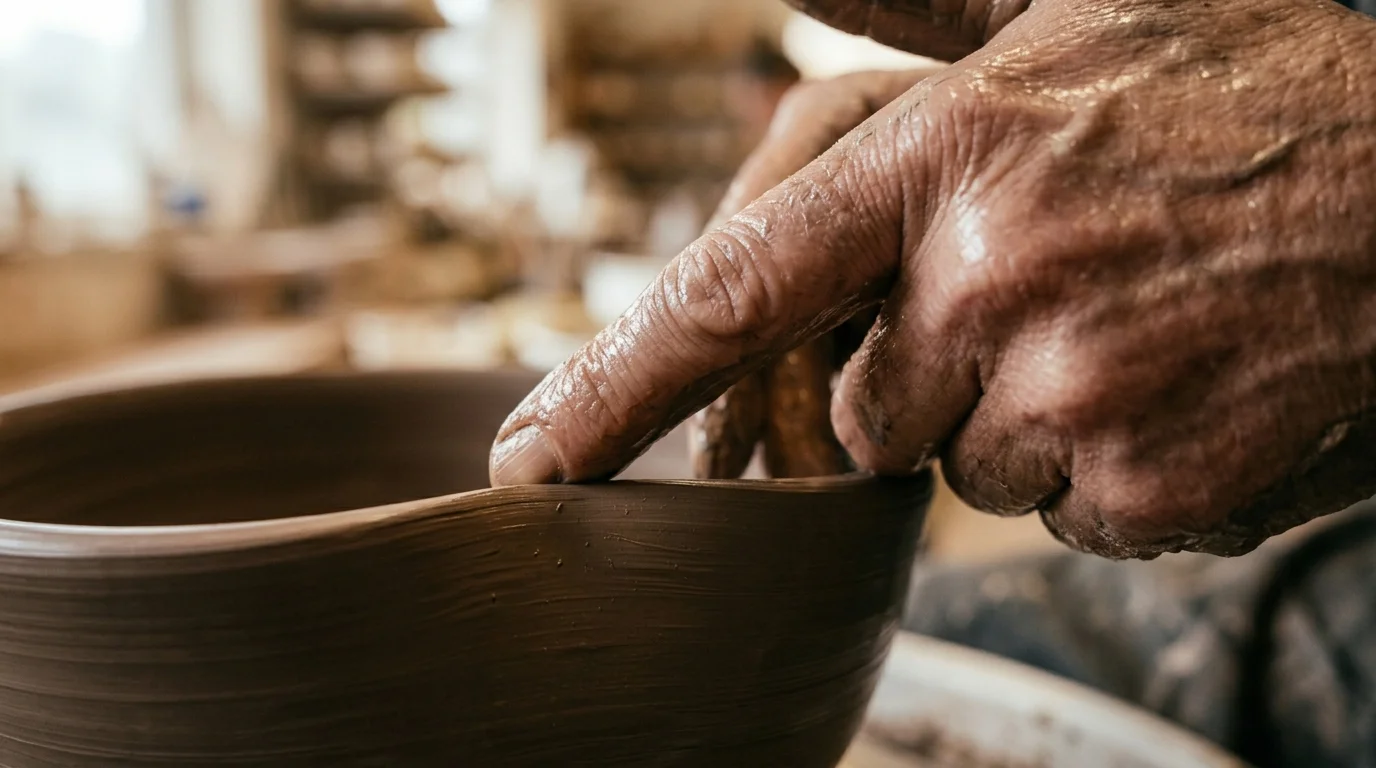
Person A: Can you shape the clay?
Person B: Sure.
Meaning: Form or mold.
Why it was used: Verb usage.
Example 7
Person A: The logo looks amazing.
Person B: The designer chose a simple shape.
Meaning: Design form.
Why it was used: Visual element.
Example 8
Person A: How’s the new website?
Person B: It’s beginning to take shape.
Meaning: Development progress.
Example 9
Person A: What shape is the room?
Person B: It’s rectangular.
Meaning: Geometric form.
Example 10
Person A: Are you healthy now?
Person B: Yes, I’m in much better shape.
Meaning: Physical condition.
Example 11
Person A: Can this metal be shaped?
Person B: Absolutely.
Meaning: Formed into a structure.
Example 12
Person A: Why does the sculpture look unique?
Person B: Its shape is unusual.
Meaning: Appearance.
Common Mistakes and Misunderstandings
Although shape is a common word, people sometimes misunderstand it.
Mistake 1: Assuming It Only Means Geometry
Many people think shape only refers to circles and squares.
In reality, shape can also refer to:
- Fitness
- Structure
- Development
- Appearance
Mistake 2: Confusing Shape With Size
Shape and size are different.
Example:
- Two objects may have the same shape but different sizes.
Mistake 3: Misunderstanding “In Shape”
“In shape” refers to fitness.
It does not mean having a particular body form.
Mistake 4: Misunderstanding “Take Shape”
This phrase means developing or becoming clearer.
It does not refer to a literal physical shape.
Similar Terms and Related Words
| Word | Meaning | Difference |
|---|---|---|
| Form | Structure or appearance | Often broader than shape |
| Figure | Visible outline | Frequently used in geometry |
| Outline | Outer edge | More specific than shape |
| Structure | Arrangement of parts | Focuses on organization |
| Design | Planned appearance | More intentional |
| Pattern | Repeated arrangement | Not always a shape |
| Configuration | Arrangement | Technical usage |
| Profile | Side view or description | Different focus |
| Layout | Organization | Common in design |
| Build | Physical structure | Often refers to bodies |
These related terms can help expand your vocabulary when discussing appearance and form.
Is Shape Positive, Negative, or Neutral?
The shape meaning is generally neutral.
However, context affects tone.
Positive Uses
- In good shape
- Nicely shaped
- Well-shaped design
- Taking shape successfully
Negative Uses
- Out of shape
- Poor shape
- Misshapen object
Neutral Uses
- Square shape
- Circular shape
- Object shape
Most uses are neutral unless describing fitness or quality.
Should You Use Shape?
Yes. Shape is one of the most useful and versatile words in English.
Use It If:
- You’re describing appearance.
- You’re discussing fitness.
- You’re explaining structure.
- You’re talking about development.
Avoid It If:
- A more specific word exists.
- The context requires technical precision.
Generally, shape is easy to understand and accepted in both casual and professional communication.