What Does “Dredge” Mean?
Quick Definition
Dredge means to (1) clean, deepen, or widen a waterway by removing mud or debris with a machine, (2) coat or sprinkle food with a dry ingredient like flour or sugar, or (3) search for or uncover something hidden or forgotten.
What It Usually Means In Conversations
When people use the word dredge in everyday conversation, they’re usually talking about one of three things:
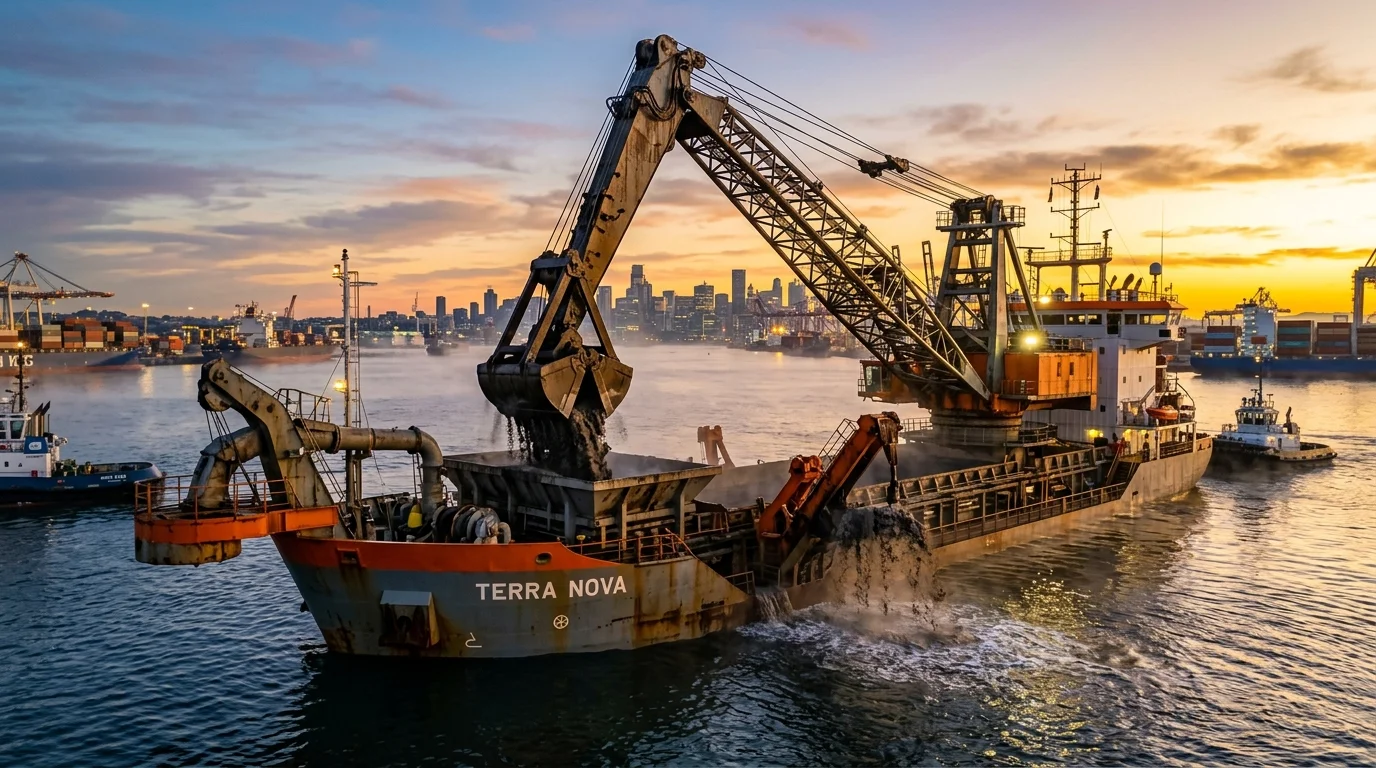
The industrial meaning: When a machine or boat clears out mud and sand from the bottom of rivers, harbors, or canals. This is the most common and literal dredge meaning.
The cooking meaning: When a chef coats food in flour, sugar, or other dry ingredients before cooking. This is called dredging, and it’s a fundamental technique in many recipes.
The figurative meaning: When someone “dredges up” old memories, information, or past mistakes. This use of dredge is about searching for or bringing something back to the surface.
What Tone Does It Convey?
The tone of dredge depends entirely on the context:
| Context | Tone | Example |
|---|---|---|
| Industrial/Construction | Neutral, technical | “The crew used a barge to dredge the shipping channel” |
| Cooking | Positive, practical | “Dredge the chicken in flour before frying” |
| Figurative/Uncovering | Neutral, sometimes negative | “Why are you dredging up the past?” |
| Mining | Neutral, technical | “They dredge the riverbed for gold” |
What Does Dredge Mean on Different Platforms?
Text Messages
In texts, dredge is rarely used casually. You’re more likely to see it when someone’s talking about cooking, complaining about construction work, or using the figurative meaning about bringing up old drama.
Example: “Stop dredging up that old argument. It’s over.”
Snapchat
On Snapchat, you might see dredge in cooking videos showing someone dredging chicken or fish. You could also see it in clips of heavy machinery working on waterways.
Example: A snap of a cooking process with the caption “Dredge in flour and fry.”
Instagram users use dredge in food content (recipes, cooking tips) and occasionally in political or environmental posts about waterway maintenance.
Example: “Perfect fried chicken starts with a good dredge.”
TikTok
TikTok is where the cooking dredge meaning really shines. Countless food creators show the dredging process (flour, egg, breadcrumbs) in their videos. You’ll also see environmental content about river dredging.
Example: A cooking tutorial titled “How to dredge chicken like a pro.”
Discord
In Discord servers, especially cooking channels or gaming communities, dredge might appear when discussing recipes or when someone’s talking about uncovering secrets in a game.
Example: “I need to dredge the chicken before frying.”
Reddit is where you’ll find detailed discussions about all three meanings of dredge. Subreddits like r/cooking talk about dredging techniques, while r/environment discusses the ecological impact of dredging waterways.
Example: “The dredge in my pan always turns out soggy. What am I doing wrong?”
Dating Apps
On dating apps, dredge is rare, but you might see it in bios from chefs or foodies.
Example: “You’ll catch me in the kitchen. I’ll even dredge your chicken.”
Origin and History of Dredge
The word dredge has a fascinating history that spans centuries and several languages.
1500s: The term first appeared in English around the 16th century. It’s believed to come from the Old English word “drege,” which was related to the Greek “tragma” meaning “corn or grain.”
Cooking origin: The cooking dredge meaning actually goes back to the earliest English usage. Originally, to “dredge” meant “to sweeten with powder or spices,” particularly with a mixture of spices and sugar used in medieval cooking.
Modern usage: Over time, the dredge meaning expanded. The industrial meaning (removing mud from waterways) became incredibly common with the rise of shipping and harbor maintenance.
Figurative meaning: The figurative dredge meaning (“dredging up the past”) developed as people used the image of scooping things up from the bottom of water to describe recovering old memories or information.
How People Actually Use Dredge
When to Use It
Use the industrial meaning when:
Describing the removal of mud, sand, or debris from rivers, harbors, or canals
Discussing environmental restoration projects
Talking about shipping channel maintenance
Explaining how waterways are deepened
Use the cooking meaning when:
Coating food with flour before frying
Sprinkling baked goods with powdered sugar
Applying a dry coating to food for texture
Following recipes that call for dredging
Use the figurative meaning when:
Bringing up old memories or past events
Uncovering forgotten information
Searching through old documents or records
Talking about someone “digging up” the past
When Not to Use It
You might want to avoid using dredge in these situations:
Describing a gentle process: Dredging implies a rough, scooping, or coating action. If you’re talking about something delicate, use a gentler word.
When a specific cooking term is more accurate: Terms like “coat,” “sprinkle,” or “dust” might be clearer in some contexts.
When talking about emotional healing: If someone is trying to move on from the past, saying you’re “dredging it up” can sound negative or hurtful.
Real Examples of Dredge in Conversations and Contexts
Example 1: Industrial Context
Person A: “Why are all those boats out in the harbor?”
Person B: “They’re using a dredge to clear the shipping channel. It’s too shallow for big ships.”
Meaning: A machine is removing mud and sand from the bottom of the harbor.
Why it was used: To explain a construction or maintenance activity.
Example 2: Cooking Context
Person A: “How do you get the chicken so crispy?”
Person B: “I dredge it in flour and spices before frying. That’s the secret.”
Meaning: They coat the chicken in a dry mixture before cooking.
Why it was used: To share a cooking tip.
Example 3: Figurative Context
Person A: “I can’t believe you brought that up.”
Person B: “I’m not trying to dredge up old drama, but we need to talk about it.”
Meaning: Person B is bringing up a past issue.
Why it was used: To address unresolved conflict.
Example 4: Mining Context
Person A: “Where do they find all that gold?”
Person B: “Some of it comes from dredging riverbeds. They scoop up gravel and separate the gold.”
Meaning: Extracting gold from river bottoms.
Why it was used: To explain a mining method.
Example 5: Cooking with Sugar
Person A: “This cake looks amazing.”
Person B: “Thanks! I need to dredge some powdered sugar on top before serving.”
Meaning: Sprinkling powdered sugar over the dessert.
Why it was used: To describe a finishing technique.
Example 6: Environmental Discussion
Person A: “Is that dredging project hurting the wildlife?”
Person B: “They say it’s necessary for shipping, but it’s definitely disrupting the fish habitats.”
Meaning: A discussion about the environmental impact of waterway clearing.
Why it was used: To debate an environmental issue.
Example 7: Uncovering Information
Person A: “Where did you find that email?”
Person B: “I dredged through the old server files. They were buried deep.”
Meaning: Searching through old records.
Why it was used: To explain how old information was found.
Example 8: Restaurant Cooking
Person A: “Why is this salmon so perfectly browned?”
Person B: “The chef dredges it in seasoned flour before searing.”
Meaning: Coating the fish in flour before cooking.
Why it was used: To explain restaurant technique.
Example 9: Personal Anecdote
Person A: “I’m nervous about the family dinner.”
Person B: “Try not to dredge up that Thanksgiving fight from three years ago.”
Meaning: Bringing up an old argument.
Why it was used: To give advice about avoiding old drama.
Example 10: Historical Research
Person A: “How do you know so much about your family history?”
Person B: “I dredged through old census records and newspaper archives.”
Meaning: Searching extensively through historical documents.
Why it was used: To explain research methods.
Common Mistakes and Misunderstandings
Confusing the Three Meanings
This is by far the most common mistake. Someone might read about a “dredge operation” and assume it’s cooking-related when it’s actually industrial, or vice versa. The dredge meaning is completely different depending on context.
Example of confusion: “I need to dredge this chicken” means coat it in flour, not scoop it out of a river.
Dredging vs. Dipping
In cooking, dredging is specifically about coating dry food with a dry ingredient. Dipping involves a wet batter or sauce. They’re not the same technique.
Example: You dredge chicken in flour, but you dip shrimp in batter.
Dredging vs. Digging
In figurative language, dredging up the past is about bringing something to the surface, while digging just means searching. Dredging implies something was submerged or buried.
Example: “He’s dredging up old rumors” is more specific than “He’s digging through old files.”
Thinking It’s Only Industrial
Many people only know the industrial dredge meaning and don’t realize it’s also a common cooking term. This can lead to confusion in food-related contexts.
Overusing the Figurative Meaning
Saying “you’re dredging up the past” in every conflict can sound melodramatic. Sometimes you’re just having a conversation.
Similar Slang Terms and Related Words
Here are words and concepts that are similar to or related to the dredge meaning.
| Word/Concept | Meaning | Difference from Dredge |
|---|---|---|
| Excavate | Digging out earth | More about digging than water removal |
| Scoop | Lift or gather with a spoon-like tool | Similar action, not as heavy-duty |
| Coat | Cover with a layer | Broader term; dredge is specific to dry ingredients |
| Dust | Sprinkle lightly | Less thorough than dredging |
| Sprinkle | Scatter small drops | Less coating than dredging |
| Unearth | Dig up from the ground | More about discovering than scooping |
| Exhume | Dig out from a grave | Much darker, death-related |
| Extract | Remove with effort | Broader, not specifically water-related |
| Spice | Add flavor | Part of the cooking dredge meaning |
| Pan (as in pan for gold) | Wash gravel to find gold | Similar to mining dredging |
Is Dredge Positive, Negative, or Neutral?
The dredge meaning itself is neutral, but its emotional weight depends entirely on context:
Positive Dredge:
Cooking applications where dredging improves flavor and texture
Environmental restoration that improves waterways
Discovering valuable minerals or artifacts
Negative Dredge:
Figurative use when someone is bringing up painful past events
Environmental damage from industrial dredging
Disruptive construction noise and activity
Neutral Dredge:
Describing a cleaning process
Technical discussions about waterway maintenance
Should You Use Dredge?
You might use it if:
Describing waterway maintenance or construction
Talking about a cooking technique
Referring to someone unearthing old information
Discussing mining or resource extraction
You should avoid it if:
You’re in a formal setting and a simpler term would work
You’re talking about a delicate process that requires precision
You’re discussing a sensitive topic and don’t want to sound aggressive