What Does “Despondency” Mean?
Quick Definition
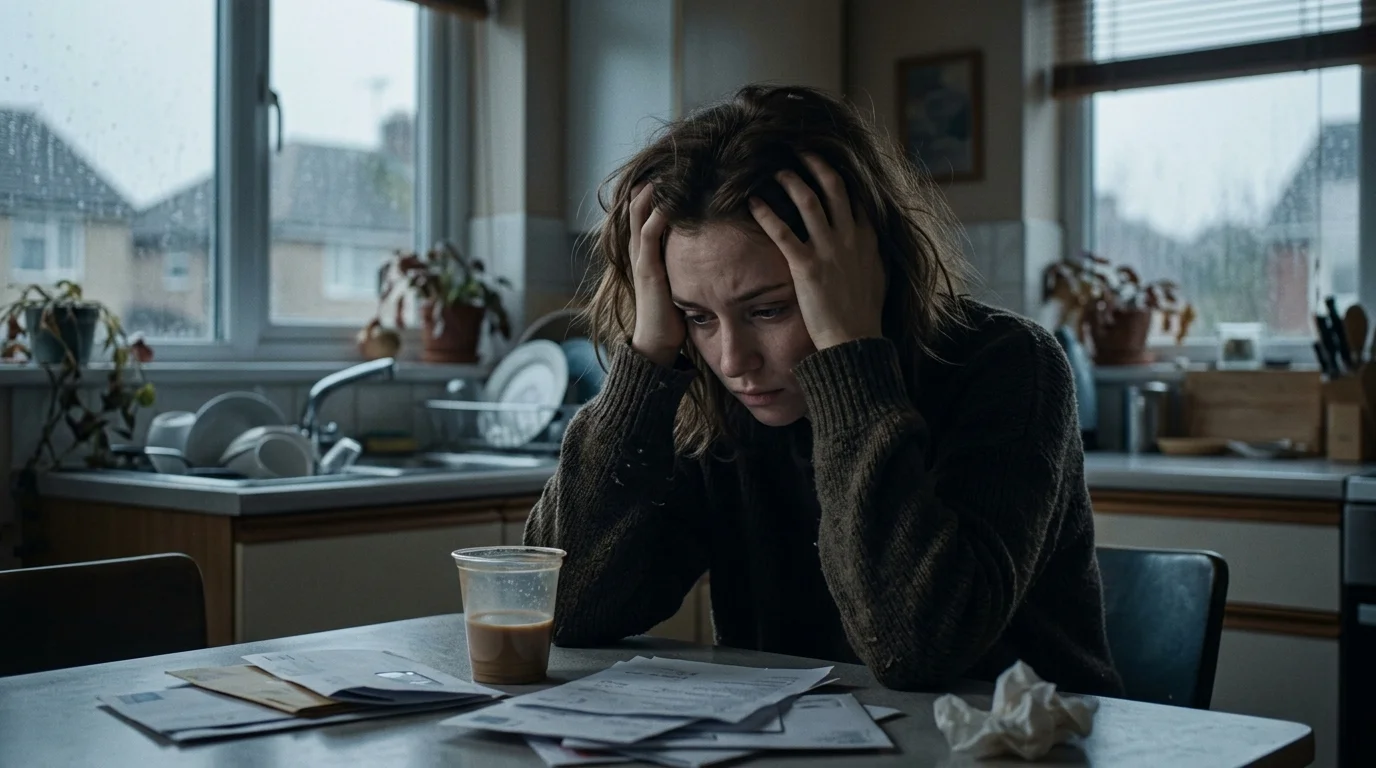
Despondency is a feeling of deep discouragement, hopelessness, or emotional despair.
What It Usually Means
The word commonly describes:
- Loss of hope
- Deep disappointment
- Emotional discouragement
- Persistent sadness
- Feeling defeated
Literal Meaning
Despondency refers to the emotional state of being despondent, meaning someone has lost confidence or hope about a situation.
Most Common Interpretation
Most people understand despondency as a strong feeling of hopelessness or discouragement after facing difficulties or setbacks.
What Tone Does It Convey?
The word often conveys:
- Sadness
- Hopelessness
- Emotional pain
- Pessimism
- Discouragement
What Does Despondency Mean in Different Contexts?
Everyday Conversation
People use despondency to describe feeling deeply discouraged after personal or professional challenges.
Example:
“She felt despondency after losing her job.”
Literature
Authors often use the word to portray characters experiencing emotional hardship or despair.
Psychology
While despondency itself is not a clinical diagnosis, it may describe feelings that accompany stress, grief, or other emotional challenges. If such feelings are severe, persistent, or interfere with daily life, seeking support from a qualified mental health professional is important.
News and Public Speaking
Journalists and speakers may use despondency to describe the emotional impact of disasters, economic hardship, or major life events.
Origin and History of Despondency
The word despondency comes from the Latin verb despondere, meaning “to lose hope” or “to give up.” It entered English through the adjective despondent, eventually becoming the noun despondency.
For centuries, the word has appeared in literature, philosophy, and everyday language to describe profound discouragement and hopelessness.
How People Actually Use Despondency
Meaning 1: Emotional Discouragement
Example:
“He struggled with despondency after repeated failures.”
Meaning:
Feeling deeply discouraged.
Meaning 2: Loss of Hope
Example:
“Months of uncertainty led to despondency.”
Meaning:
A sense that things may not improve.
Meaning 3: Literary Expression
Example:
“The novel captures the hero’s despondency.”
Meaning:
Deep emotional despair.
When People Use It
You’ll often hear despondency in:
- Books
- News reports
- Personal conversations
- Motivational speeches
- Academic writing
Real Examples of Despondency in Conversations
Example 1
Friend: You seem discouraged.
Response: I’ve been feeling a lot of despondency lately.
Meaning: Deep discouragement.
Why it was used: Personal conversation.
Example 2
Teacher: Don’t let one bad grade lead to despondency.
Meaning: Loss of hope.
Why it was used: Encouragement.
Example 3
Reporter: The community experienced despondency after the disaster.
Meaning: Widespread hopelessness.
Why it was used: News reporting.
Example 4
Author: The character’s despondency shaped the story.
Meaning: Emotional struggle.
Why it was used: Literature.
Example 5
Coach: Stay focused and don’t give in to despondency.
Meaning: Discouragement.
Why it was used: Motivation.
Example 6
Student: What does despondency mean?
Teacher: It means feeling deeply discouraged or hopeless.
Meaning: Vocabulary lesson.
Why it was used: Education.
Example 7
Parent: Temporary setbacks shouldn’t cause despondency.
Meaning: Emotional disappointment.
Why it was used: Advice.
Example 8
Manager: We overcame our initial despondency and found a solution.
Meaning: Loss of confidence.
Why it was used: Workplace discussion.
Example 9
Friend: His despondency faded once things improved.
Meaning: Emotional recovery.
Why it was used: Everyday conversation.
Example 10
Speaker: Hope can replace despondency with determination.
Meaning: Overcoming discouragement.
Why it was used: Inspirational speech.
Common Mistakes and Misunderstandings
Mistake 1: Thinking Despondency Means Ordinary Sadness
Despondency usually describes a deeper and more intense feeling of hopelessness than everyday sadness.
Mistake 2: Confusing It with Depression
Despondency is a descriptive word for an emotional state, not a medical diagnosis. Persistent or severe emotional distress should be discussed with a qualified healthcare professional.
Mistake 3: Using It for Minor Disappointments
The word is best reserved for significant discouragement rather than small everyday frustrations.
Mistake 4: Assuming Despondency Is Permanent
People may experience despondency temporarily and later regain hope and optimism.
Similar Words and Related Terms
| Word | Meaning | Difference |
|---|---|---|
| Despondency | Deep discouragement or hopelessness | Main concept |
| Despair | Complete loss of hope | Often more intense |
| Sadness | Feeling unhappy | Broader and less intense |
| Discouragement | Loss of confidence | Usually milder |
| Gloom | Feeling of darkness or pessimism | Less focused on hopelessness |
| Melancholy | Quiet, thoughtful sadness | Often reflective |
| Hopelessness | Feeling that nothing will improve | Similar meaning |
| Grief | Deep sorrow after loss | Usually linked to bereavement |
| Pessimism | Expecting negative outcomes | Mindset rather than emotion |
| Optimism | Hopefulness about the future | Opposite concept |
Is Despondency Positive, Negative, or Neutral?
The despondency meaning is clearly negative because it describes emotional pain and a loss of hope.
Negative Associations
- Hopelessness
- Discouragement
- Emotional distress
- Defeat
- Pessimism
Positive Perspective
Although despondency itself is negative, people often recover through support, resilience, and positive change.
Should You Use the Word Despondency?
Use It If
- You’re describing deep emotional discouragement.
- You’re writing literature or formal English.
- You want a more precise word than “sadness.”
- The context involves significant disappointment or loss of hope.
Avoid It If
- You’re referring to a brief or minor disappointment.
- A simpler word like “sad” or “upset” better fits your audience.