
What Does “Gulf” Mean?
Quick Definition
Gulf has several meanings: (1) a large area of sea partially enclosed by land , (2) a significant difference or gap between people, groups, or ideas , (3) a deep chasm or abyss , and (4) as a verb, to swallow up or engulf .
What It Usually Means In Conversations
When people talk about the gulf meaning in everyday conversation, they’re usually referring to one of these things:
A large body of water: The most common gulf meaning is a large area of ocean or sea that extends into the surrounding land . The gulf meaning here is about geography and navigation.
A difference or divide: The gulf meaning can also describe a significant gap between two things. For example, “the gulf between rich and poor is enormous” . This is the gulf meaning in social and political discussions.
A deep chasm: The gulf meaning can describe a wide, deep opening in the ground .
Something that engulfs: The gulf meaning can also refer to something that swallows up or destroys .
What Tone Does It Convey?
| Context | Tone | Example |
|---|---|---|
| Geography | Neutral, descriptive | “The Gulf of Mexico is a major body of water” |
| Social divide | Serious, significant | “A growing gulf between rich and poor” |
| Personal relationships | Emotional, dramatic | “A gulf had opened up between his life and mine” |
| Political | Tension-filled | “The gulf in ideology between the two parties” |
The Geographic Meaning
What Is a Gulf in Geography?
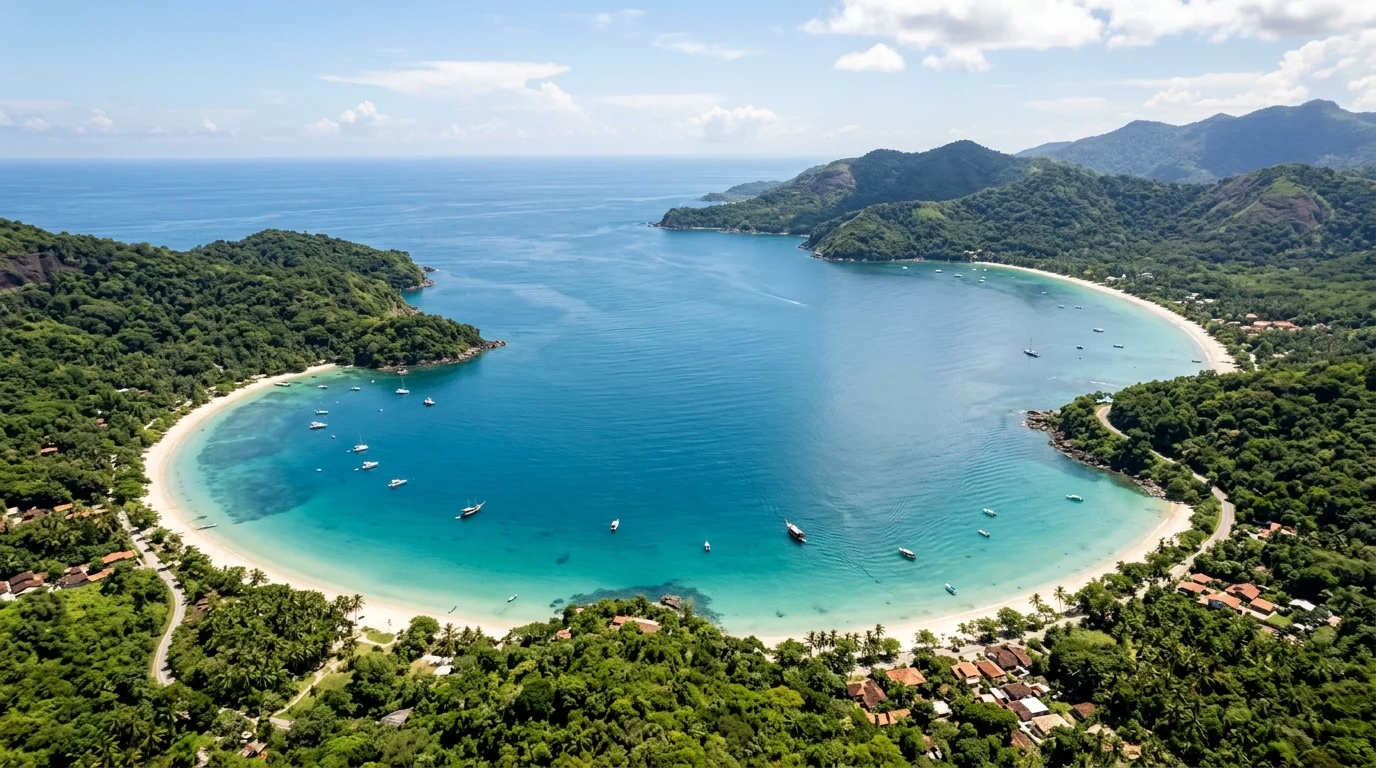
Geographically, the gulf meaning describes a substantial coastal indentation—an ocean re-entrance—regardless of its dimensions, depth, form, or geological composition . In simpler terms, a gulf is a large area of sea or ocean that is partially surrounded by land.
Key characteristics of a gulf:
Typically larger and deeper than a bay
Often has a V-shaped opening to the ocean
Usually formed by tectonic activity (plate movements)
Can be connected to the ocean by narrow straits
Plays a significant role in regional climate
Gulf vs. Bay: What’s the Difference?
While the terms are often used interchangeably, there are important differences between a gulf and a bay :
| Feature | Gulf | Bay |
|---|---|---|
| Size | Generally larger and deeper | Usually smaller and shallower |
| Shape | V-shaped opening | Circular or U-shaped, wider mouth |
| Formation | Tectonic activity | Erosion (wave, tidal, glacial) |
| Water exchange | More enclosed, limited exchange | Wider mouth allows easier exchange |
| Coastline | Longer coastline | Shorter coastline |
Important note: There are exceptions to these rules. For example, the Bay of Bengal is actually larger than many gulfs, and the Persian Gulf is much smaller than Hudson Bay . The naming of gulfs and bays is not always consistent.
Famous Gulfs Around the World
The gulf meaning is associated with several famous bodies of water:
| Gulf | Location | Key Facts |
|---|---|---|
| Gulf of Mexico | Atlantic Ocean, bordered by US, Mexico, Cuba | The largest gulf in the world |
| Persian Gulf | Western Asia, between Iran and Arabian Peninsula | One of the most strategically important bodies of water |
| Gulf of California | Mexico, Pacific Ocean | Long and narrow gulf |
| Gulf of Guinea | West Africa | The deepest gulf |
| Gulf of Carpentaria | Northern Australia | Large, shallow gulf |
| Gulf of Aden | Arabian Sea | Connects to the Red Sea |
The Persian Gulf: A Case Study
The Persian Gulf is one of the most significant examples of the gulf meaning in geography . It is a 600-mile-long arm of the Indian Ocean that separates the Arabian Peninsula from Iran .
Key facts about the Persian Gulf:
Bordering countries: Iran, Iraq, Kuwait, Saudi Arabia, Bahrain, Qatar, UAE, and Oman
Area: Approximately 251,000 square kilometers (97,000 square miles)
Oil reserves: The region produces nearly one-third of the world’s oil and holds over half of the world’s crude oil reserves
Strategic importance: The Strait of Hormuz, the only outlet from the gulf, is a vital shipping route for oil tankers
Naming dispute: The body of water is historically and internationally known as the “Persian Gulf” . However, Arab governments often refer to it as the “Arabian Gulf” or simply “The Gulf” . Some officials have even proposed “the Gulf of Basra” as an alternative . This naming controversy reflects the geopolitical tensions in the region.
The Figurative Meaning
A Gap or Divide
One of the most powerful uses of the gulf meaning is figurative. A gulf can describe a significant difference or gap between people, groups, or ideas .
Examples of the figurative gulf meaning:
“The gulf between rich and poor is enormous”
“A gulf of mistrust still exists between them”
“The ideological gulf that separated the two branches of the movement”
“The huge gulf in level between professional and amateur teams”
The gulf meaning in this context is about unbridgeable divides—differences so large that they seem impossible to overcome.
A Deep Chasm
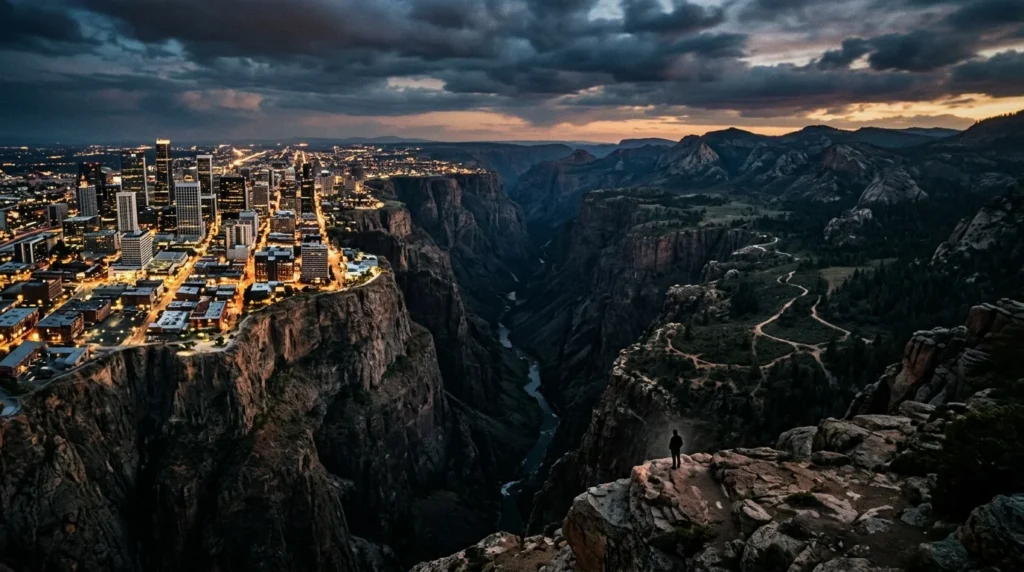
The gulf meaning can also describe a deep, wide opening in the earth . This is a more literal use of the word, though less common than the geographic or figurative meanings.
Example: “The earthquake created a massive gulf in the ground.”
Something That Engulfs
The gulf meaning can also refer to something that swallows up or destroys. This usage is often metaphorical, describing being consumed by something overwhelming .
Example: “He felt as though he was being pulled into a gulf of despair.”
Origin and History of the Word
The gulf meaning has a long history that spans multiple languages .
Greek roots: The word traces back to the Greek “kolpos,” which meant “bosom,” “lap,” or “gulf” . The connection to “bosom” makes sense—a gulf is a body of water that “embraces” the land like a bosom.
Journey through languages:
Greek: kolpos (bosom, gulf)
Late Latin: colpus, colfus
Old Italian: golfo
Old French: golfe
Middle English: goulf (14th century)
The gulf meaning evolved from describing a physical embrace to describing a body of water that embraces the land. By the 14th century, the word had entered English, and its figurative meaning of “a wide gap or divide” developed later .
Real Examples of Gulf in Conversations
Example 1: Geographic Context
Person A: “Which is bigger—the Gulf of Mexico or the Bay of Bengal?”
Person B: “Actually, the Bay of Bengal is larger than the Gulf of Mexico, even though it’s called a bay.”
Meaning: Discussing the size and naming conventions of water bodies.
Why it was used: To clarify a common misconception.
Example 2: Social Divide
Person A: “Why are there so many protests?”
Person B: “The gulf between rich and poor has become too wide to ignore.”
Meaning: A significant economic and social gap.
Why it was used: To explain social unrest.
Example 3: Personal Relationship
Person A: “We used to be so close, but now I don’t even know what to say to him.”
Person B: “It sounds like a gulf has opened up between you.”
Meaning: An emotional or relational divide.
Why it was used: To describe a growing distance in a relationship.
Example 4: Political Context
Person A: “Can the two parties ever agree?”
Person B: “The ideological gulf between them seems unbridgeable.”
Meaning: A deep political divide.
Why it was used: To describe political polarization.
Example 5: Economic Context
Person A: “Is the economy getting better?”
Person B: “The gulf between wealthy and working-class neighborhoods is growing.”
Meaning: An economic divide.
Why it was used: To discuss inequality.
Example 6: Academic Context
Person A: “Why is it so hard to connect theory and practice?”
Person B: “There’s a huge gulf between what’s taught in school and what happens in real life.”
Meaning: A gap between theory and reality.
Why it was used: To explain a common frustration.
Common Mistakes and Misunderstandings
Confusing Gulf with Bay
Mistake: Using “gulf” and “bay” interchangeably.
Reality: While often used similarly, a gulf is generally larger and deeper than a bay . However, exceptions exist, like the Bay of Bengal being larger than the Gulf of Mexico .
Assuming Gulf Always Means a Water Body
Mistake: Only using “gulf” to describe water.
Reality: The gulf meaning can also describe a significant gap or divide between people, groups, or ideas .
Misusing the Verb Form
Mistake: Not knowing “gulf” can be a verb.
Reality: “Gulf” can mean to swallow up or engulf .
Using It Casually for Minor Differences
Mistake: Using “gulf” for small disagreements.
Reality: The figurative gulf meaning implies a significant, often unbridgeable divide. It’s not for minor differences.
Similar Terms and Related Words
| Term | Meaning | Difference from Gulf |
|---|---|---|
| Bay | Body of water partially enclosed by land | Usually smaller and shallower than a gulf |
| Bight | A large bay | Typically wider and open, less enclosed |
| Fjord | A long, narrow inlet | Formed by glacial activity |
| Sound | A large sea or ocean inlet | Often larger and deeper than a bay |
| Chasm | A deep opening in the earth | Similar to the deep gulf meaning |
| Divide | A separation or gap | The figurative gulf meaning |
| Gap | A break or opening | Less significant than a gulf |
Is “Gulf” Positive, Negative, or Neutral?
The gulf meaning itself is neutral, but its emotional weight depends on the context:
Geographic usage (neutral):
Describes a physical feature of the earth
Can be used for navigation, trade, and education
Figurative usage (can be negative):
Implies a divide that separates people
Often suggests inequality, conflict, or misunderstanding
“Bridging the gulf” implies effort and difficulty
Should You Use “Gulf”?
You might use it when:
Describing a large body of water
Discussing a significant gap or divide
Talking about inequality or social issues
Writing about geography or navigation
You should avoid it if:
A smaller, less dramatic word would be more appropriate
You’re describing a minor difference or gap
The audience might confuse the figurative and geographic meanings