

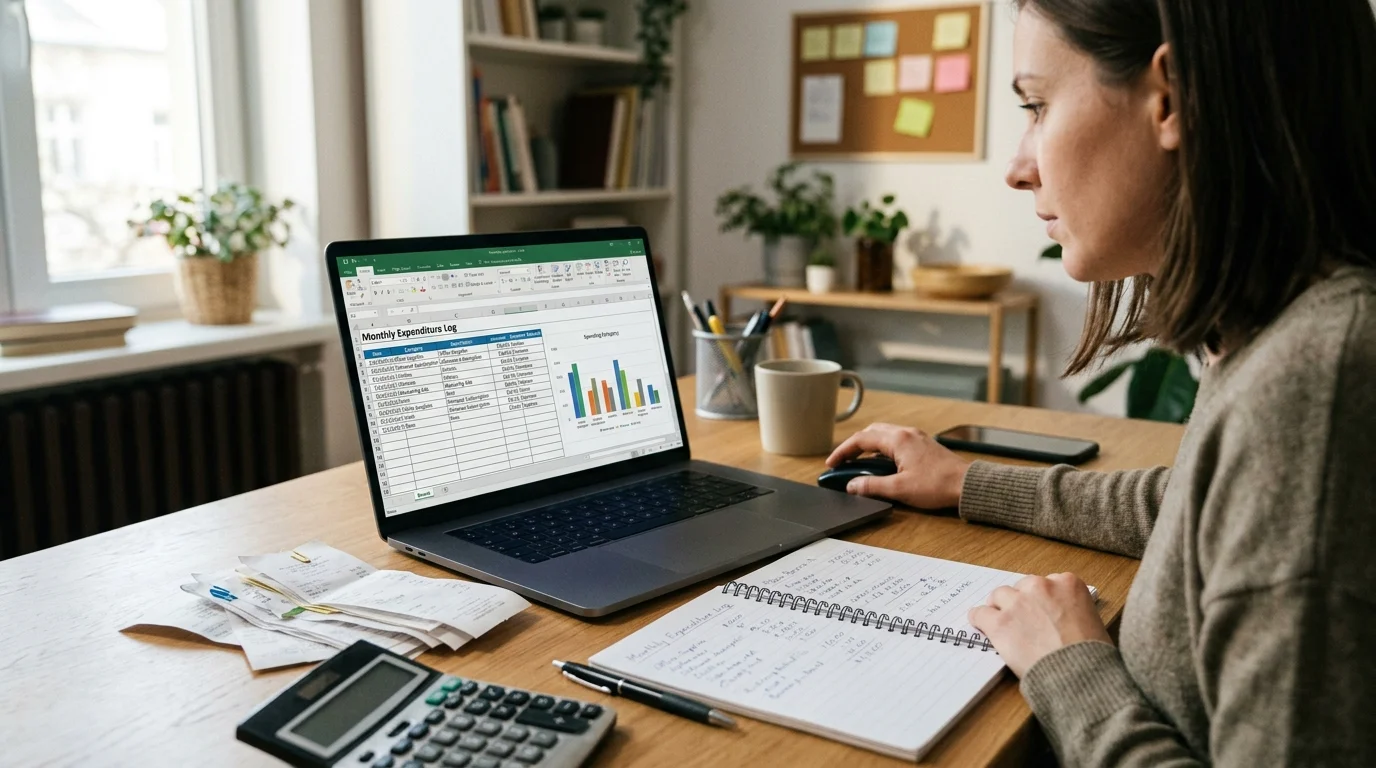
What Does “Expenditures” Mean?
Quick Definition
Expenditures are amounts of money spent to purchase goods, services, assets, or to meet financial obligations.
What It Usually Means
Expenditures may include:
- Business purchases
- Employee salaries
- Rent payments
- Utility bills
- Equipment purchases
- Government spending
- Construction costs
- Education expenses
Literal Meaning
The word expenditures literally means the act of spending money or the money that has been spent.
Most Common Interpretation
Most people use expenditures to describe all types of financial spending by individuals, businesses, or governments.
What Tone Does It Convey?
The term often conveys:
- Financial planning
- Budgeting
- Accounting
- Business operations
- Economic activity
What Do Expenditures Mean in Different Contexts?
Personal Finance
Expenditures include everyday spending such as groceries, transportation, rent, healthcare, and entertainment.
Example:
“My monthly expenditures have increased.”
Business
Companies track expenditures to manage budgets and monitor profitability.
Example:
“The business reduced unnecessary expenditures.”
Government
Governments use the term for public spending on infrastructure, education, healthcare, defense, and social programs.
Example:
“Government expenditures rose this year.”
Accounting
In accounting, expenditures may include both operating costs and long-term investments, depending on how they’re classified.
Types of Expenditures
Capital Expenditures (CapEx)
Money spent to acquire or improve long-term assets.
Examples:
- Purchasing buildings
- Buying machinery
- Upgrading equipment
- Constructing facilities
Revenue Expenditures
Money spent on the day-to-day operation of a business.
Examples:
- Salaries
- Rent
- Office supplies
- Utility bills
- Maintenance
Government Expenditures
Public spending on:
- Roads
- Schools
- Healthcare
- Defense
- Public safety
- Social welfare programs
Origin and History of Expenditures
The word expenditure comes from the Latin expendere, meaning to weigh out or pay. It entered English through Old French and has long been used in commerce and accounting to describe money paid for goods, services, or investments.
Today, expenditures is a standard term in finance, economics, business management, and government reporting.
How People Actually Use Expenditures
Meaning 1: Personal Spending
Example:
“Our household expenditures increased this month.”
Meaning:
The family spent more money.
Meaning 2: Business Costs
Example:
“The company carefully monitors expenditures.”
Meaning:
It tracks business spending.
Meaning 3: Government Budget
Example:
“Healthcare expenditures reached a record level.”
Meaning:
Public spending on healthcare increased.
Meaning 4: Investment
Example:
“The factory required major capital expenditures.”
Meaning:
Money was spent on long-term assets.
When People Use It
You’ll often hear expenditures in:
- Business meetings
- Financial statements
- Government reports
- Budget discussions
- Accounting classes
- Economic news
Real Examples of Expenditures in Conversations
Example 1
Accountant: We need to reduce expenditures this quarter.
Meaning: Lower business spending.
Why it was used: Financial planning.
Example 2
Manager: Equipment expenditures exceeded the budget.
Meaning: More money was spent than planned.
Why it was used: Business discussion.
Example 3
Student: What do expenditures mean?
Teacher: They are amounts of money spent on goods, services, or investments.
Meaning: Vocabulary lesson.
Why it was used: Education.
Example 4
Reporter: Government expenditures increased after the new budget passed.
Meaning: Public spending rose.
Why it was used: News reporting.
Example 5
Homeowner: Our monthly expenditures include rent, groceries, and utilities.
Meaning: Regular household spending.
Why it was used: Personal finance.
Example 6
Investor: Capital expenditures are expected to grow next year.
Meaning: The company plans to invest in long-term assets.
Why it was used: Investing.
Example 7
Business Owner: We reviewed all expenditures before approving the budget.
Meaning: All spending was examined.
Why it was used: Budget planning.
Example 8
Economist: Consumer expenditures drive much of the economy.
Meaning: Household spending influences economic growth.
Why it was used: Economic analysis.
Example 9
Finance Officer: Unexpected expenditures affected our profits.
Meaning: Unplanned spending reduced earnings.
Why it was used: Financial reporting.
Example 10
Consultant: Reducing unnecessary expenditures can improve cash flow.
Meaning: Cutting unnecessary spending strengthens finances.
Why it was used: Business advice.
Common Mistakes and Misunderstandings
Mistake 1: Confusing Expenditures with Expenses
Although they’re often used interchangeably, expenditures refer to money spent, while expenses are costs recognized for accounting purposes during a specific period.
Mistake 2: Thinking Expenditures Only Apply to Businesses
Individuals, nonprofit organizations, and governments also have expenditures.
Mistake 3: Assuming All Expenditures Are Operating Costs
Some expenditures, such as purchasing buildings or equipment, are capital investments rather than day-to-day operating costs.
Mistake 4: Believing Expenditures Are Always Negative
Spending money on productive investments can help generate future growth and profits.
Similar Financial Terms
| Term | Meaning | Difference |
|---|---|---|
| Expenditures | Money spent on goods, services, or assets | Main concept |
| Expenses | Costs recognized during an accounting period | Accounting term |
| Spending | General act of paying money | Everyday term |
| Costs | Amount required to purchase or produce something | Broader concept |
| Capital Expenditure | Spending on long-term assets | Investment-focused |
| Revenue Expenditure | Day-to-day operating spending | Operating costs |
| Budget | Spending plan | Financial planning tool |
| Investment | Money used to generate future returns | Growth-focused |
| Revenue | Money earned | Opposite side of finances |
| Cash Flow | Money moving in and out of a business | Overall financial movement |
Are Expenditures Positive, Negative, or Neutral?
The expenditures meaning is generally neutral.
Positive Uses
- Investing in equipment.
- Expanding a business.
- Improving infrastructure.
- Funding education.
Neutral Uses
- Paying monthly bills.
- Tracking business costs.
- Recording financial transactions.
Negative Uses
Expenditures may be viewed negatively when spending is excessive, wasteful, or exceeds the available budget.
Should You Use the Word Expenditures?
Use It If
- You’re writing about accounting, finance, or economics.
- You’re discussing budgets or financial reports.
- You want a formal alternative to spending.
Avoid It If
- You’re speaking casually with a general audience.
- Simpler words like spending or costs communicate your point more clearly