

What Does “Defective” Mean?
Quick Definition
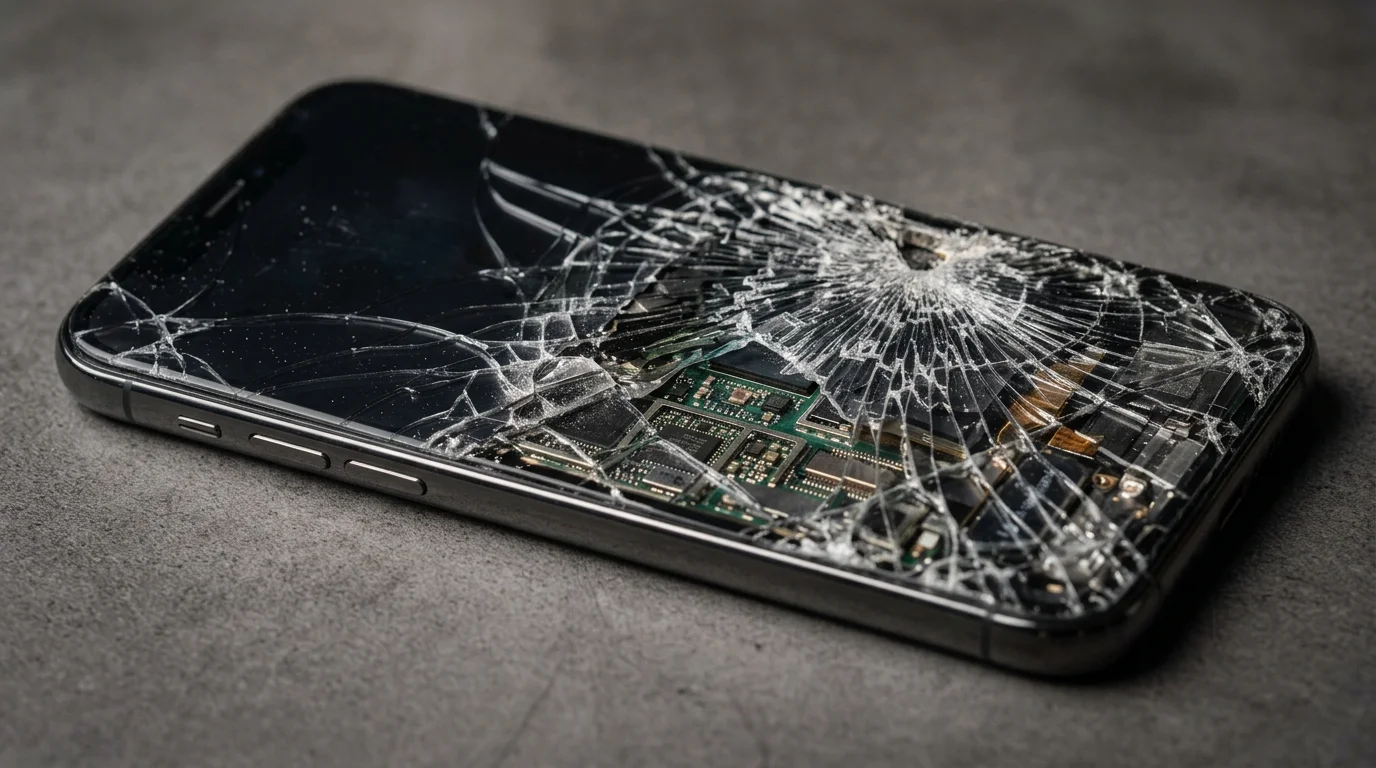
Defective is an adjective describing something that has a flaw, fault, or imperfection that prevents it from functioning correctly or meeting its intended purpose. A defective item is not working properly, is broken, or is flawed in some way . The defective meaning can apply to physical objects, legal claims, or (historically) to people.
What It Usually Means In Conversations
When people talk about the defective meaning in everyday conversation, they’re usually referring to one of these things:
A broken product: The most common defective meaning describes a product that doesn’t work as intended. For example, a defective phone that won’t turn on, or a defective toy that breaks easily.
A legal term: The defective meaning is frequently used in legal contexts to describe a product that causes injury due to a flaw or failure .
A flawed design: Sometimes the defective meaning describes something that was poorly designed from the start, rather than just a one-off manufacturing error.
What Tone Does It Convey?
| Context | Tone | Example |
|---|---|---|
| Product description | Negative, factual | “The company recalled defective airbags” |
| Legal context | Serious, professional | “The defective product caused severe injuries” |
| Historical use | Offensive, outdated | Describing a person as defective is now considered offensive |
Defective Meaning in Different Contexts
Everyday Life
In daily life, the defective meaning describes anything that fails to work properly . If a phone freezes constantly or a chair has a broken leg, it’s defective. This is the most straightforward defective meaning—something that is broken, faulty, or not functioning as intended.
Legal Context
The defective meaning in law is far more significant. It’s a cornerstone of product liability law, which holds manufacturers, distributors, and retailers responsible for injuries caused by defective products .
The legal defective meaning covers several specific categories. A product can be defective if it has a manufacturing flaw, a design that is inherently dangerous, or a failure to provide adequate warnings about potential risks. Each of these categories requires different types of evidence in a legal claim.
Medical and Historical Usage
In older contexts, the defective meaning was sometimes used to describe people who were perceived as not meeting expected standards. This usage is now considered offensive and outdated. The defective meaning should never be used to describe individuals, as it carries harmful connotations.
Three Types of Product Defects
The defective meaning in law is typically divided into three main categories. Understanding these categories is essential for understanding product liability claims.
1. Design Defects
Definition: A design defect exists when a product is inherently dangerous due to its design, even if it was manufactured perfectly . The entire product line is defective because the design itself creates an unreasonable risk of harm .
Example: A crib with slats that are too wide, posing a strangulation risk to infants. Even if every crib is manufactured correctly, the design itself is defective and dangerous.
2. Manufacturing Defects
Definition: A manufacturing defect occurs when an error happens during the production process, resulting in a product that differs from its intended design . Unlike design defects, only the specific products affected by the manufacturing error are defective.
Example: A batch of brake pads that were made with substandard material, causing them to wear out prematurely. The design is fine, but a manufacturing error created a defective product.
3. Marketing Defects
Definition: Also known as “failure to warn,” a marketing defect occurs when a product lacks adequate instructions or warnings about potential dangers . The defective meaning here is about the failure to inform consumers about risks.
Example: A medication that doesn’t warn about dangerous side effects. The product itself works as intended, but the lack of proper warnings makes it defective in a legal sense.
What Is Product Liability?
Understanding the defective meaning is essential for understanding product liability law. Product liability is a legal doctrine that holds manufacturers, distributors, and retailers responsible for injuries caused by defective products .
Key aspects of product liability:
Strict liability: In many jurisdictions, a plaintiff only needs to prove that a product was defective and caused injury—they don’t need to prove negligence .
Who can be sued: Manufacturers, distributors, suppliers, retailers, and others in the supply chain .
Compensation: Victims can recover damages for medical expenses, lost wages, pain and suffering, and other losses.
Common Defective Products
The defective meaning applies to a wide range of products that can cause serious harm:
Automotive Defects
Defective airbags that deploy unexpectedly or fail to deploy
Faulty brakes that fail to stop the vehicle
Tire blowouts caused by manufacturing defects
Ignition switch failures that cause stalling or fires
Medical Devices
Defective hip implants that cause pain or tissue damage
Faulty pacemakers that malfunction
Defective surgical instruments
Children’s Products
Cribs with design defects that cause suffocation
Defective car seats that fail in crashes
Toys with choking hazards or toxic materials
Consumer Electronics
Defective batteries that catch fire or explode
Faulty chargers that cause electrical shock
Household Products
Defective appliances that cause fires
Toxic household chemicals without proper warnings
What to Do If You Have a Defective Product
Understanding the defective meaning is only half the battle. Knowing what to do is equally important. The defective meaning in a consumer context involves several key steps.
Step 1: Preserve the Evidence
If you have a defective product that caused injury or damage, do not throw it away. Keep the product, including its packaging, instructions, and any warning labels. This evidence is essential for proving the defective meaning in your claim.
Step 2: Report the Issue
Contact the manufacturer, retailer, or distributor to report the defective product. Many companies have procedures for handling complaints and may issue a refund, replacement, or repair.
Step 3: Seek Medical Attention
If the defective product caused injuries, get medical care immediately. Prompt medical attention is important for your health and for documenting your injuries.
Step 4: Consult an Attorney
If you’ve been injured by a defective product, consult an experienced product liability attorney. An attorney can help you understand your rights and pursue a claim for compensation.
Step 5: File a Claim
Your attorney can help you file a claim against the responsible parties. This may involve negotiations, mediation, or litigation.
Real Examples of Defective in Conversations
Example 1: Consumer Complaint
Person A: “This phone keeps freezing. I think it’s defective.”
Person B: “You should return it. They gave you a defective product.”
Meaning: Describing a faulty product.
Why it was used: To express frustration with a broken item.
Example 2: Legal Context
Person A: “The airbag didn’t deploy in the crash.”
Person B: “That sounds like a defective airbag. You should talk to a lawyer.”
Meaning: Identifying a potential product defect.
Why it was used: To suggest legal action.
Example 3: Manufacturing Context
Person A: “We found a batch of defective parts.”
Person B: “We need to recall all products made with that batch.”
Meaning: Identifying a manufacturing defect.
Why it was used: To implement a recall.
Example 4: Consumer Protection
Person A: “Why are they recalling all those cars?”
Person B: “There’s a defective part that could cause fires.”
Meaning: Explaining a safety recall.
Why it was used: To inform about a safety issue.
Example 5: Medical Context
Person A: “The hip implant failed and caused me pain.”
Person B: “The manufacturer is liable for defective medical devices.”
Meaning: Describing a defective medical device.
Why it was used: To discuss a product liability claim.
Common Mistakes and Misunderstandings
Confusing Defective with “Broken” or “Damaged”
Myth: “Defective” and “broken” mean the same thing.
Reality: While similar, the defective meaning in law is more specific. A broken item may have been damaged by the user, while a defective item has an inherent flaw from manufacturing or design.
Thinking All Defective Products Are Recalled
Myth: All defective products are recalled.
Reality: Many defects are discovered through individual complaints rather than manufacturer recalls.
Assuming Defective Means Dangerous
Myth: Defective always means dangerous.
Reality: A product can be defective without being dangerous, though dangerous defects are the most likely to result in legal action.
Using Defective to Describe People
Myth: It’s acceptable to describe people as defective.
Reality: Describing a person as defective is considered highly offensive and dehumanizing.
Similar Terms and Related Words
| Term | Meaning | Connection to Defective |
|---|---|---|
| Faulty | Having a defect or flaw | A synonym for defective |
| Flawed | Having imperfections | Similar meaning, less technical |
| Defect | A shortcoming or imperfection | The noun form of defective |
| Deficient | Lacking in some necessary quality | Similar but not always about physical objects |