

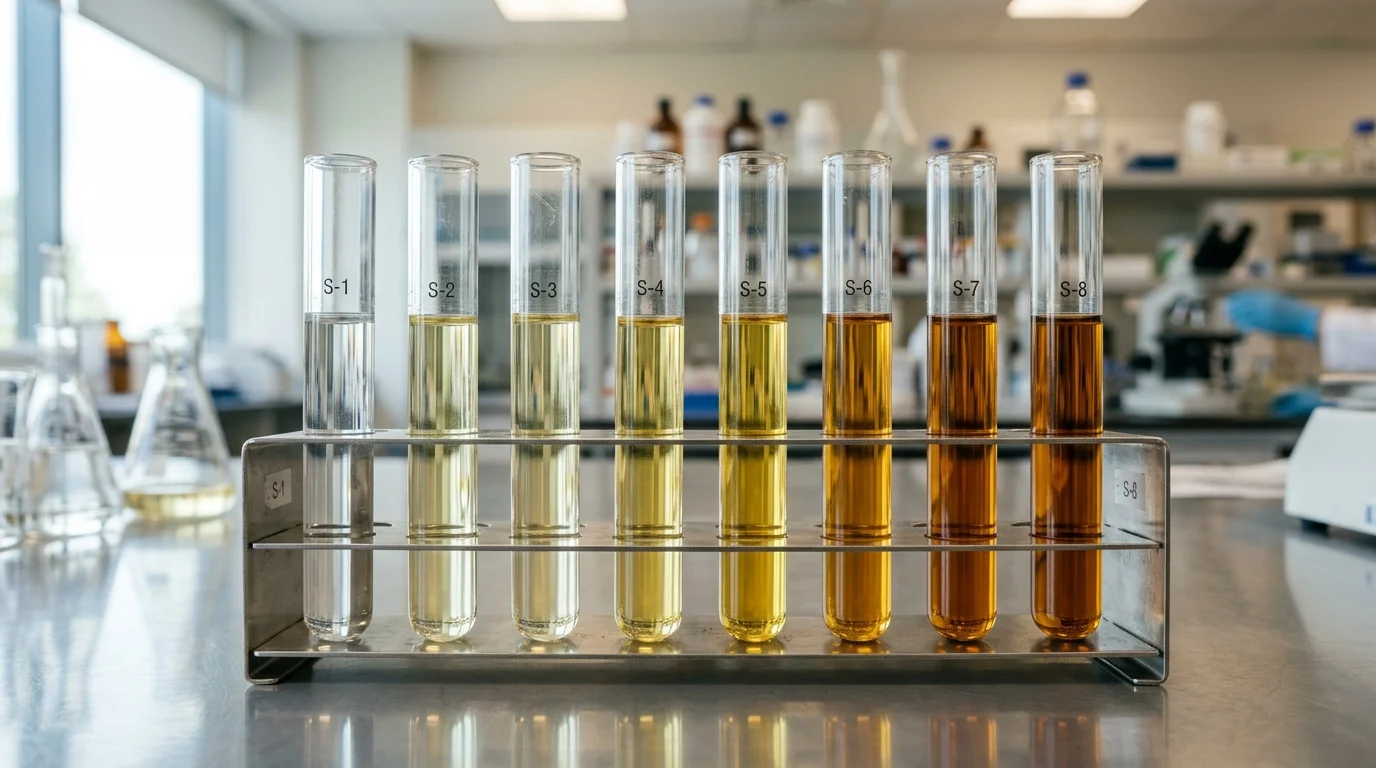
What Does “Color of Urine” Mean?
The color of urine meaning refers to the information that urine color may provide about your body’s hydration, metabolism, and overall health.
Quick Definition
Urine gets its color primarily from a pigment called urochrome, which is produced when the body breaks down old red blood cells.
The concentration of this pigment determines whether urine appears:
- Clear
- Pale yellow
- Dark yellow
- Amber
- Orange
- Pink
- Red
- Brown
- Blue
- Green
What It Usually Means
Most urine colors fall within a normal range and are influenced by:
- Water intake
- Food consumption
- Vitamins
- Medications
- Exercise
- Health conditions
What Tone Does It Convey?
When discussing the color of urine meaning, healthcare professionals typically view urine colors as:
- Normal indicators
- Hydration markers
- Potential warning signs
- Diagnostic clues
Color of Urine Meaning Chart
The following chart provides a quick overview of the color of urine meaning.
| Urine Color | Possible Meaning |
|---|---|
| Clear | Very hydrated or excessive fluid intake |
| Pale Yellow | Normal and healthy |
| Light Yellow | Well hydrated |
| Bright Yellow | Vitamins, especially B vitamins |
| Dark Yellow | Mild dehydration |
| Amber | Dehydration |
| Orange | Dehydration, medications, liver concerns |
| Pink | Food dyes, beets, blood |
| Red | Blood, foods, medications |
| Brown | Severe dehydration, liver issues |
| Blue | Medications, dyes, rare conditions |
| Green | Medications, infections, dyes |
| Cloudy | Infection, kidney stones, minerals |
What Does Clear Urine Mean?
One of the most common questions regarding the color of urine meaning is whether clear urine is healthy.
Possible Causes
- Drinking large amounts of water
- High fluid intake
- Certain medications
- Diuretics
Is It Normal?
Usually yes.
However, constantly clear urine may indicate overhydration.
When to Be Concerned
Talk with a healthcare provider if you experience:
- Extreme thirst
- Frequent urination
- Fatigue
- Unexplained symptoms
What Does Pale Yellow Urine Mean?
Pale yellow is generally considered the ideal urine color.
Color of Urine Meaning for Pale Yellow
This color usually indicates:
- Good hydration
- Proper kidney function
- Balanced fluid intake
Many healthcare professionals consider pale yellow urine the healthiest color.
Why It Happens
Your body is effectively balancing water and waste removal.
What Does Bright Yellow Urine Mean?
Bright yellow urine often surprises people.
Common Causes
- Multivitamins
- Vitamin B supplements
- Energy drinks
- Nutritional supplements
Is It Dangerous?
Usually not.
In most cases, bright yellow urine is harmless and temporary.
Color of Urine Meaning for Bright Yellow
The color often reflects excess vitamins being eliminated through urine.
What Does Dark Yellow Urine Mean?
Dark yellow urine frequently points to dehydration.
Possible Causes
- Not drinking enough water
- Excessive sweating
- Hot weather
- Intense exercise
What To Do
Increase water intake gradually.
Color of Urine Meaning for Dark Yellow
The darker the urine, the more concentrated it may be, which often indicates the body needs additional fluids.
What Does Amber Urine Mean?
Amber urine is darker than normal yellow urine.
Common Reasons
- Moderate dehydration
- Fluid loss
- Fever
- Gastrointestinal illness
Color of Urine Meaning for Amber
This color typically suggests your body is conserving water.
Hydration should improve the color within a day.
What Does Orange Urine Mean?
Orange urine can be alarming but isn’t always serious.
Possible Causes
- Dehydration
- Certain medications
- Carrots
- Vitamin supplements
Medical Causes
Sometimes orange urine may be associated with:
- Liver issues
- Bile duct conditions
Color of Urine Meaning for Orange
Occasional orange urine may be harmless, but persistent orange urine deserves medical evaluation.
What Does Pink Urine Mean?
Pink urine can result from both harmless and serious causes.
Harmless Causes
- Beets
- Blackberries
- Rhubarb
- Food coloring
Medical Causes
- Urinary tract infection
- Kidney stones
- Blood in urine
Color of Urine Meaning for Pink
The appearance of pink urine should always be monitored carefully, especially if it occurs repeatedly.
What Does Red Urine Mean?
Red urine often raises immediate concern.
Possible Causes
- Blood in urine
- Certain medications
- Foods such as beets
When to Seek Medical Advice
If you notice unexplained red urine, contact a healthcare professional promptly.
Color of Urine Meaning for Red
Red urine may indicate bleeding somewhere in the urinary tract and should not be ignored.
What Does Brown Urine Mean?
Brown urine can have several causes.
Common Causes
- Severe dehydration
- Certain medications
- Intense exercise
Medical Conditions
- Liver disease
- Muscle injury
- Kidney disorders
Color of Urine Meaning for Brown
Persistent brown urine requires medical attention because it may indicate an underlying health issue.
What Does Blue or Green Urine Mean?
Blue and green urine are uncommon.
Possible Causes
- Food dyes
- Medications
- Medical tests
- Rare inherited conditions
Infections
Some bacterial infections can cause green urine.
Color of Urine Meaning for Blue and Green
While unusual, these colors are often linked to external factors rather than serious disease.
What Does Cloudy Urine Mean?
Cloudy urine differs from color changes because it affects clarity.
Possible Causes
- Urinary tract infection
- Kidney stones
- Mineral crystals
- Dehydration
Color of Urine Meaning for Cloudiness
Cloudy urine accompanied by pain, burning, fever, or odor should be evaluated by a healthcare professional.
How People Actually Use Urine Color to Monitor Health
Many people use urine color as a simple hydration check.
You’ll often hear advice such as:
- Aim for pale yellow urine.
- Dark urine may mean drink more water.
- Sudden color changes deserve attention.
When to Monitor Urine Color
Pay attention during:
- Hot weather
- Exercise
- Illness
- Travel
- Recovery from dehydration
When Not to Panic
Many temporary color changes come from:
- Foods
- Supplements
- Medications
These changes often resolve naturally.
Real-Life Examples of Color of Urine Meaning
Example 1
Situation: After a workout.
Urine Color: Dark yellow.
Meaning: Mild dehydration.
Why It Happens: Fluid loss through sweat.
Example 2
Situation: After taking vitamins.
Urine Color: Bright yellow.
Meaning: Excess vitamin excretion.
Why It Happens: B vitamins affect urine color.
Example 3
Situation: Drinking lots of water.
Urine Color: Clear.
Meaning: High hydration.
Why It Happens: Diluted urine.
Example 4
Situation: Eating beets.
Urine Color: Pink.
Meaning: Food-related color change.
Why It Happens: Beet pigments.
Example 5
Situation: Urinary infection.
Urine Color: Cloudy.
Meaning: Possible infection.
Why It Happens: White blood cells and bacteria.
Example 6
Situation: Severe dehydration.
Urine Color: Amber.
Meaning: Concentrated urine.
Why It Happens: Low fluid intake.
Example 7
Situation: Medication use.
Urine Color: Orange.
Meaning: Drug-related change.
Why It Happens: Medication pigments.
Example 8
Situation: Kidney stone.
Urine Color: Pink or red.
Meaning: Blood in urine.
Why It Happens: Urinary tract irritation.
Example 9
Situation: Liver disease.
Urine Color: Brown.
Meaning: Bile pigment changes.
Why It Happens: Liver dysfunction.
Example 10
Situation: Food dye consumption.
Urine Color: Green.
Meaning: Temporary color change.
Why It Happens: Artificial coloring.
Common Mistakes and Misunderstandings
Mistake 1: Assuming Every Color Change Means Disease
Many changes come from foods and vitamins.
Mistake 2: Ignoring Persistent Changes
Ongoing color changes should be evaluated.
Mistake 3: Focusing Only on Color
Other symptoms matter too.
Watch for:
- Pain
- Fever
- Odor
- Burning
- Frequent urination
Mistake 4: Overhydrating
Clear urine all day isn’t necessarily healthier.
Balance is important.
Similar Health Indicators Related to Urine
| Indicator | Meaning | Difference |
| Urine Color | Hydration and health clues | Focuses on appearance |
| Urine Odor | Diet or infection clues | Smell-based |
| Urine Frequency | Fluid balance | Number of trips |
| Urine Volume | Kidney function | Quantity produced |
| Urine Clarity | Infection indicators | Transparency |
| Blood Pressure | Cardiovascular health | Not urine-related |
| Hydration Status | Body fluid balance | Broader measure |
| Kidney Function Tests | Medical assessment | Laboratory testing |
| Urinalysis | Diagnostic evaluation | Clinical test |
| Electrolyte Levels | Mineral balance | Blood-based test |
Is Urine Color Positive, Negative, or Neutral?
The color of urine meaning depends on the specific shade.
Positive Colors
- Pale yellow
- Light yellow
Neutral Colors
- Slightly darker yellow
- Temporary vitamin-related changes
Potential Warning Colors
- Red
- Brown
- Persistent orange
- Cloudy urine with symptoms
Should You Pay Attention to Urine Color?
Yes.
Monitoring urine color is a simple way to track hydration and notice potential health changes.
Pay Attention If
- Color changes suddenly
- Changes persist
- Blood may be present
- Symptoms accompany color changes
Less Concerning Situations
- After vitamins
- After certain foods
- Following temporary dehydration