

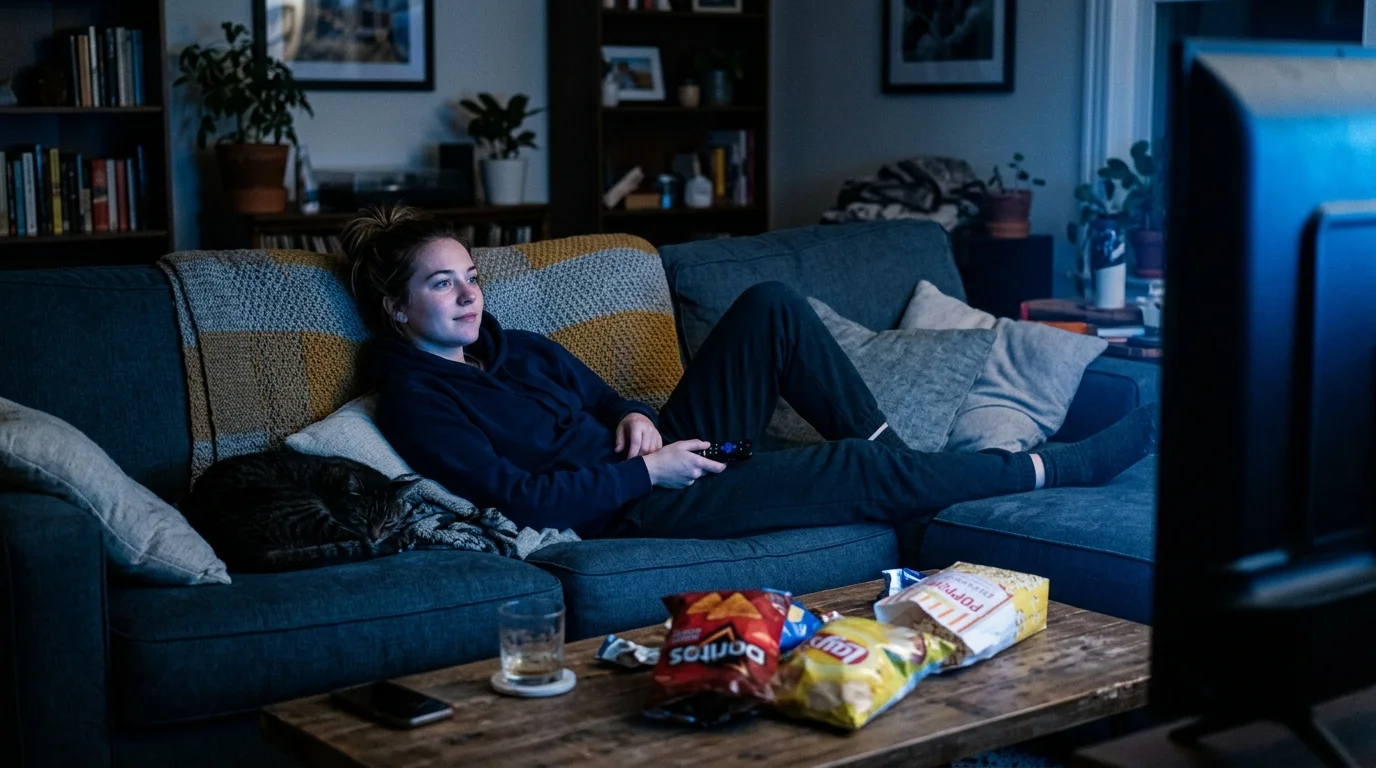
What Does “Sedentary Lifestyle” Mean?
The sedentary lifestyle meaning centers on prolonged inactivity and insufficient physical movement throughout the day.
Quick Definition
A sedentary lifestyle is a lifestyle characterized by:
- Extended periods of sitting
- Minimal physical activity
- Low energy expenditure
- Limited exercise
- Reduced movement throughout the day
Literal Meaning
The word “sedentary” comes from a term meaning “to sit.”
Therefore, the sedentary lifestyle meaning literally refers to a lifestyle where sitting becomes the dominant daily activity.
Modern Meaning
Today, the phrase describes people who spend most of their waking hours:
- At a desk
- In a car
- On a couch
- Using digital devices
- Engaging in low-movement activities
What It Usually Means in Conversations
When people discuss a sedentary lifestyle, they usually refer to:
- Lack of exercise
- Poor movement habits
- Health concerns
- Modern work culture
- Excessive screen time
What Tone Does It Convey?
The sedentary lifestyle meaning is generally viewed negatively in health discussions.
Serious
Health professionals often discuss it as a risk factor.
Concerned
People frequently use the term when addressing wellness issues.
Educational
The phrase appears often in health education materials.
Motivational
It is commonly used when encouraging healthier habits.
What Does Sedentary Lifestyle Mean on Different Platforms?
The sedentary lifestyle meaning remains largely consistent across platforms, though the conversation surrounding it varies.
Text Messages
In text conversations, people may use the phrase when discussing fitness goals.
Example:
“I’ve been living a sedentary lifestyle lately and need to exercise more.”
Snapchat
Users often mention sedentary habits while sharing:
- Fitness journeys
- Weight-loss goals
- Health challenges
Fitness influencers frequently discuss the sedentary lifestyle meaning when educating followers about healthy living.
Popular topics include:
- Daily movement
- Exercise routines
- Wellness tips
- Workplace fitness
TikTok
TikTok creators often produce videos about:
- Desk jobs
- Sedentary behavior
- Walking challenges
- Fitness transformations
Discord
Gaming communities sometimes discuss sedentary lifestyles because long gaming sessions can involve extended sitting.
Reddit users frequently share personal experiences about:
- Remote work
- Physical inactivity
- Health improvements
- Lifestyle changes
Workplace Platforms
Professionals often discuss sedentary behavior when addressing employee wellness programs.
Origin and History of Sedentary Lifestyle Meaning
The sedentary lifestyle meaning has evolved significantly over time.
Historical Context
Historically, most people performed physically demanding work.
Daily activities included:
- Farming
- Construction
- Manual labor
- Walking long distances
As a result, sedentary lifestyles were less common.
Industrial Revolution
The Industrial Revolution introduced more office-based jobs.
This shift increased sitting time for many workers.
Technology Era
The rise of computers dramatically changed workplace behavior.
Millions of people began spending:
- 8+ hours at desks
- Additional hours commuting
- Evenings using screens
Modern Digital Age
Today, smartphones, streaming services, remote work, and online entertainment contribute significantly to sedentary behavior.
The sedentary lifestyle meaning has become increasingly relevant because inactivity is now easier than ever.
How People Actually Experience a Sedentary Lifestyle
Understanding the sedentary lifestyle meaning becomes easier when looking at everyday examples.
Common Daily Habits
Many people unintentionally develop sedentary habits through:
- Desk jobs
- Remote work
- Excessive television viewing
- Long gaming sessions
- Frequent social media use
Signs You May Have a Sedentary Lifestyle
Common indicators include:
- Sitting most of the day
- Rarely exercising
- Feeling stiff after sitting
- Reduced stamina
- Frequent fatigue
Appropriate Situations
Some periods of sedentary behavior are normal.
Examples include:
- Recovery from illness
- Long flights
- Study sessions
- Office meetings
When It Becomes Problematic
Problems arise when inactivity becomes the daily norm without balancing movement.
Personal Observation
Most people don’t realize how sedentary they are until they start tracking their daily movement.
You’ll often hear people say:
“I thought I was active until I checked my step count.”
Real Examples of Sedentary Lifestyle in Conversations
Example 1
Person A: Why are you joining the gym?
Person B: My sedentary lifestyle is catching up with me.
Meaning: Lack of activity.
Why it was used: Health concern.
Example 2
Person A: How many steps did you get today?
Person B: Not many. My job is very sedentary.
Meaning: Desk-based work.
Why it was used: Explain inactivity.
Example 3
Person A: Why does your back hurt?
Person B: Too much sitting lately.
Meaning: Sedentary behavior.
Why it was used: Physical discomfort.
Example 4
Person A: What’s your fitness goal?
Person B: Break out of my sedentary lifestyle.
Meaning: Increase activity.
Why it was used: Motivation.
Example 5
Person A: Why are you taking walking breaks?
Person B: My doctor recommended it because of my sedentary lifestyle.
Meaning: Health improvement.
Why it was used: Medical advice.
Example 6
Person A: How’s remote work?
Person B: Convenient, but very sedentary.
Meaning: Less movement.
Why it was used: Workplace discussion.
Example 7
Person A: Why did you buy a standing desk?
Person B: To reduce sedentary behavior.
Meaning: Increase movement.
Why it was used: Wellness improvement.
Example 8
Person A: What’s causing your low energy?
Person B: Probably my sedentary lifestyle.
Meaning: Lack of activity.
Why it was used: Self-assessment.
Example 9
Person A: Why do you walk during lunch?
Person B: It helps offset a sedentary workday.
Meaning: Balance inactivity.
Why it was used: Healthy habit.
Example 10
Person A: Why start exercising now?
Person B: I don’t want a sedentary lifestyle anymore.
Meaning: Lifestyle change.
Why it was used: Personal goal.
Health Risks Associated With a Sedentary Lifestyle
One reason the sedentary lifestyle meaning receives so much attention is because of its health implications.
Physical Health Risks
Research consistently links prolonged inactivity to:
- Weight gain
- Reduced cardiovascular fitness
- Muscle weakness
- Joint stiffness
- Poor posture
Mental Health Effects
A sedentary lifestyle may also contribute to:
- Increased stress
- Lower mood
- Reduced motivation
- Mental fatigue
Long-Term Concerns
Over time, excessive inactivity may increase the risk of:
- Heart disease
- High blood pressure
- Type 2 diabetes
- Obesity
This is why health experts encourage regular movement throughout the day.
Common Mistakes and Misunderstandings
Mistake 1: Thinking Exercise Alone Solves Everything
One gym session cannot completely offset sitting all day.
Mistake 2: Assuming Only Older Adults Are Affected
Young adults can also experience sedentary habits.
Mistake 3: Confusing Relaxation With Sedentary Living
Relaxing occasionally is healthy.
The issue is prolonged inactivity.
Mistake 4: Ignoring Small Movement Opportunities
Simple activities like walking and stretching can make a difference.
Mistake 5: Believing Sedentary Means Lazy
A person can be hardworking and still have a sedentary lifestyle due to job requirements.
Related Health and Fitness Terms
| Term | Meaning | Difference |
|---|---|---|
| Active Lifestyle | Regular movement | Opposite concept |
| Physical Activity | Body movement | Broader term |
| Exercise | Planned fitness activity | Structured movement |
| Fitness | Overall physical condition | Result of activity |
| Cardio | Heart-focused exercise | Specific activity |
| Walking | Basic physical activity | Simple movement |
| Wellness | Overall health | Broader concept |
| Mobility | Ability to move freely | Functional movement |
| Strength Training | Muscle-building exercise | Specific exercise |
| Healthy Lifestyle | Balanced habits | Includes nutrition and activity |
Is a Sedentary Lifestyle Positive, Negative, or Neutral?
The sedentary lifestyle meaning is generally considered negative from a health perspective.
Positive Aspects
Some sedentary activities can be beneficial:
- Reading
- Studying
- Creative work
Neutral Aspects
Temporary inactivity is normal.
Negative Aspects
Long-term sedentary behavior may negatively affect physical and mental health.
Should You Be Concerned About a Sedentary Lifestyle?
Consider Making Changes If
- You sit most of the day.
- You rarely exercise.
- You feel physically stiff.
- You experience low energy.
Small Changes That Help
- Walk more frequently.
- Use stairs.
- Stretch regularly.
- Take movement breaks.
- Track daily steps.
Even small improvements can reduce sedentary behavior.