
What Does “Carnivore” Mean?
Quick Definition
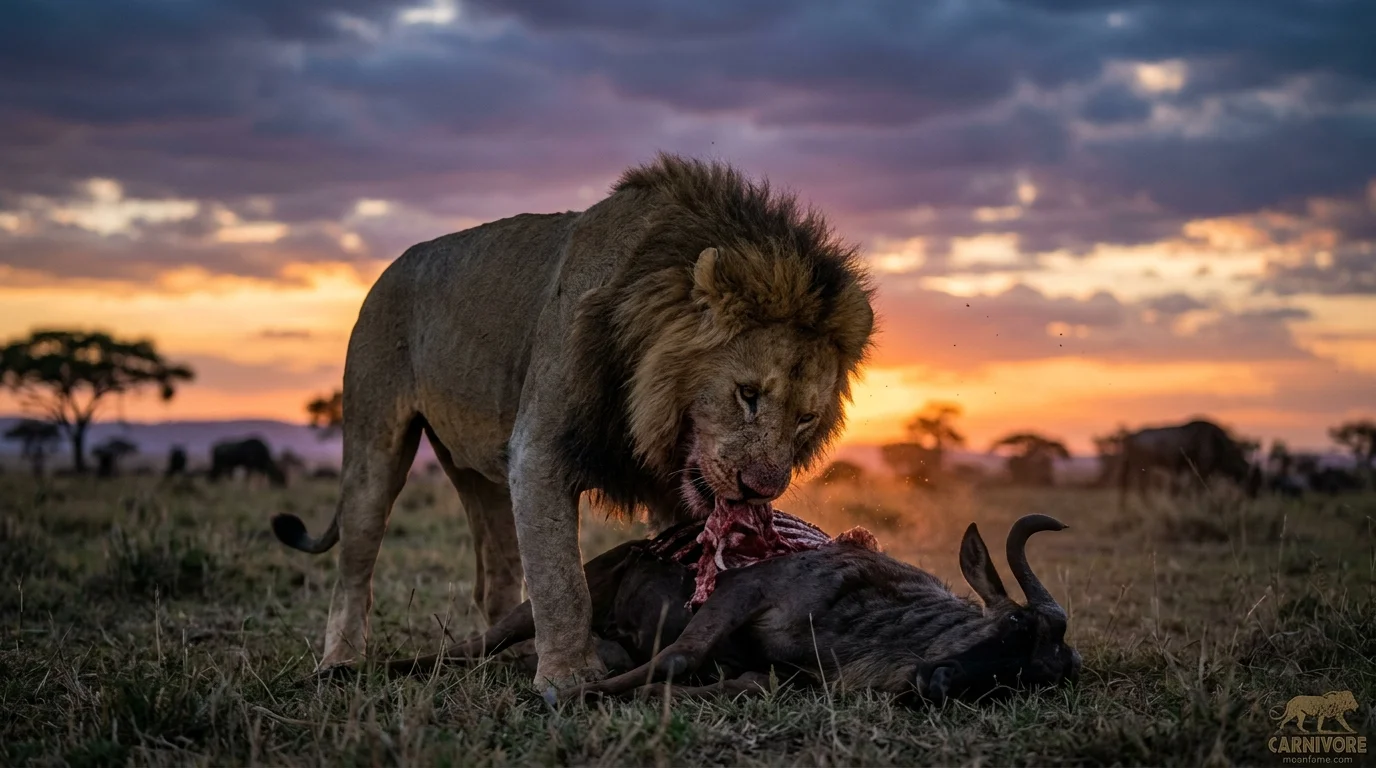
A carnivore is a living organism that eats mainly meat or other animals for nutrition.
What It Usually Means
In biology, carnivores obtain most of their energy by consuming animal tissue rather than plants.
Examples include:
- Lions
- Tigers
- Wolves
- Eagles
- Sharks
- Crocodiles
Literal Meaning
The word comes from Latin roots meaning “meat eater.”
Most Common Interpretation
Most people use the term carnivore to describe animals that hunt, kill, or consume other animals as their primary food source.
What Tone Does It Convey?
The term is generally neutral and scientific.
Depending on context, it may be associated with:
- Wildlife
- Predators
- Nature
- Biology
- Diet discussions
What Does Carnivore Mean in Different Contexts?
Biology
In biology, a carnivore is an organism that relies mainly on animal flesh for nutrition.
Zoology
Zoologists classify many species as carnivores based on diet, teeth structure, digestive systems, and hunting behavior.
Ecology
In ecosystems, carnivores help regulate prey populations and maintain ecological balance.
Nutrition
In nutrition, the term may describe a person who eats mostly or exclusively animal products.
Everyday Language
People sometimes jokingly say:
“I’m a carnivore.”
Meaning:
“I really love eating meat.”
Origin and History of Carnivore
The word carnivore comes from Latin:
- Caro (carnis) = flesh or meat
- Vorare = to devour or consume
Together, these roots create the meaning:
“Meat eater” or “one who devours flesh.”
The term entered English through scientific and biological classifications and has been widely used for centuries to describe meat-eating animals.
Today, carnivore remains one of the fundamental dietary classifications in biology.
How Carnivores Function in Nature
Carnivores play an important role in food chains and ecosystems.
Most carnivores:
- Hunt prey
- Scavenge carcasses
- Control animal populations
- Help maintain biodiversity
Without carnivores, ecosystems can become unbalanced due to overpopulation of prey species.
Types of Carnivores
Hypercarnivores
Animals whose diets consist of more than 70% meat.
Examples:
- Lions
- Tigers
- Polar bears
Mesocarnivores
Animals that eat significant amounts of meat but may consume other foods.
Examples:
- Foxes
- Coyotes
Hypocarnivores
Animals that consume meat but rely heavily on non-meat foods.
Examples:
- Some bear species
Real Examples of Carnivores
Example 1
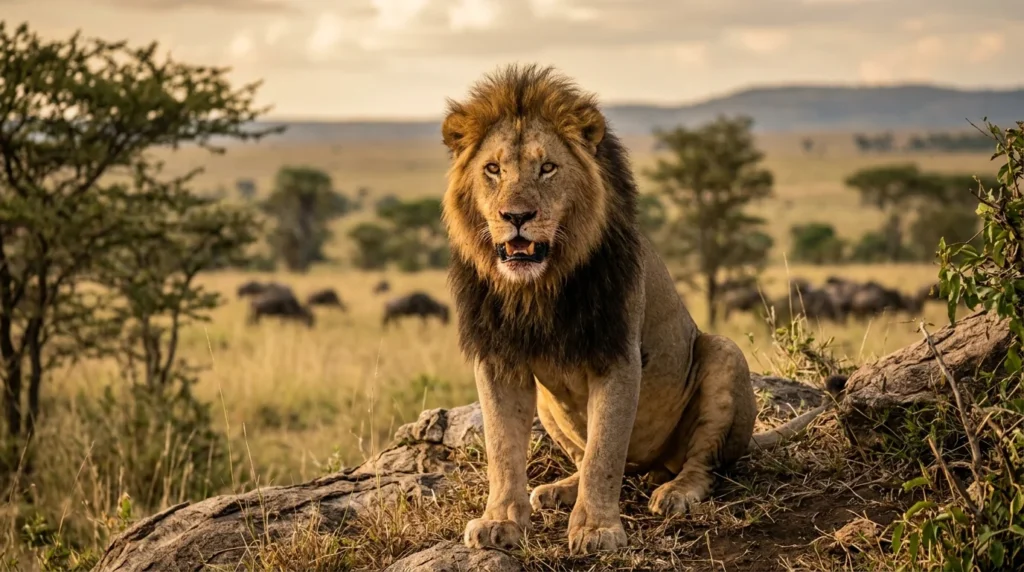
Lion
Diet:
- Zebras
- Antelope
- Buffalo
Why it’s a carnivore:
Primarily eats meat.
Example 2
Tiger
Diet:
- Deer
- Wild boar
Why it’s a carnivore:
Obtains nutrients from prey animals.
Example 3
Wolf
Diet:
- Deer
- Elk
- Rabbits
Why it’s a carnivore:
Primarily hunts animals.
Example 4
Eagle
Diet:
- Fish
- Small mammals
Why it’s a carnivore:
Feeds on animal protein.
Example 5
Shark
Diet:
- Fish
- Marine mammals
Why it’s a carnivore:
Consumes other marine animals.
Example 6
Crocodile
Diet:
- Fish
- Birds
- Mammals
Why it’s a carnivore:
Predatory feeding behavior.
Example 7
Owl
Diet:
- Rodents
- Small birds
Why it’s a carnivore:
Hunts and eats animals.
Example 8
Leopard
Diet:
- Deer
- Monkeys
Why it’s a carnivore:
Relies on animal prey.
Example 9
Hyena
Diet:
- Meat
- Carcasses
Why it’s a carnivore:
Consumes animal tissue.
Example 10
Orca
Diet:
- Fish
- Seals
Why it’s a carnivore:
Feeds almost entirely on animals.
Common Mistakes and Misunderstandings
Mistake 1: Thinking All Predators Are Carnivores
Most predators are carnivores, but some animals occasionally eat plants as well.
Mistake 2: Assuming Carnivores Only Hunt
Many carnivores also scavenge dead animals.
Mistake 3: Believing Carnivores Eat Nothing Else
Some carnivores occasionally consume fruits, berries, or vegetation.
Mistake 4: Confusing Carnivores with Omnivores
Omnivores eat both plants and animals regularly.
How to Avoid Confusion
Ask:
- Does the species mainly eat meat?
- Does it rely on prey animals for nutrition?
If yes, it is likely a carnivore.
Similar Terms and Related Classifications
| Term | Meaning | Difference |
|---|---|---|
| Carnivore | Eats mainly meat | Primary focus on animal tissue |
| Herbivore | Eats plants | Opposite of carnivore |
| Omnivore | Eats plants and animals | Mixed diet |
| Predator | Hunts prey | May or may not be strictly carnivorous |
| Scavenger | Eats dead animals | Doesn’t necessarily hunt |
| Consumer | Organism that eats other organisms | Broader category |
| Apex Predator | Top predator in ecosystem | Specific ecological role |
| Hypercarnivore | Mostly meat diet | More specialized |
| Mesocarnivore | Moderate meat consumption | Less specialized |
| Hypocarnivore | Limited meat consumption | More varied diet |
Is Carnivore Positive, Negative, or Neutral?
The term carnivore is generally neutral.
Positive Associations
- Ecological balance
- Natural adaptation
- Wildlife diversity
Neutral Associations
- Scientific classification
- Biology education
- Food chains
Negative Associations
Some people associate carnivores with:
- Predation
- Hunting
- Dangerous animals
However, these are natural ecological functions rather than negative traits.
Should You Use the Term Carnivore?
Use It If
- You’re discussing animal diets.
- You’re studying biology.
- You’re explaining food chains.
- You’re describing meat-eating species.
Avoid It If
- You mean omnivore.
- You mean herbivore.
- The animal does not primarily eat meat.
Using the correct classification helps avoid confusion.