
What Does “Tanami” Mean?
Quick Definition
Tanami is a name of Indigenous Australian origin, believed to come from the Warlpiri word Chanamee, meaning “never die” . The name refers to the Tanami Desert in northern Australia and the rock holes within it that were said never to run dry, even in drought .
The Core Meanings
The Tanami meaning can be understood through two connected layers:
The literal meaning: “Never die.” The Tanami meaning comes from the Warlpiri Aboriginal word Chanamee, which translates to “never die” . This name referred to certain rock holes in the desert that were said never to run dry .
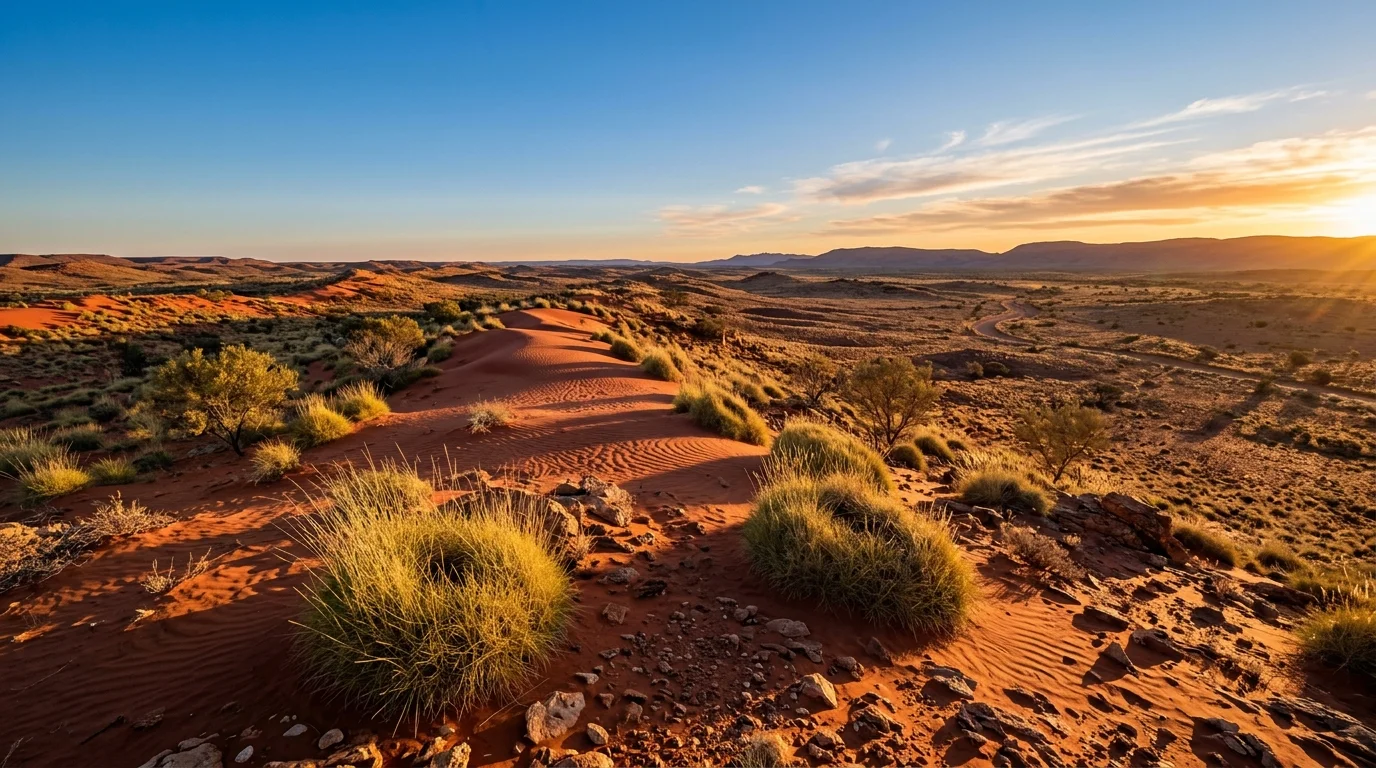
The geographic meaning: The Tanami is a vast desert region in northern Australia, spanning across the Northern Territory and Western Australia . It covers approximately 310,000 square kilometers .
The spiritual meaning: For the Warlpiri and Loritja peoples, the Tanami meaning is tied to the jukurrpa (the Dreaming)—the creative period when ancestral beings transformed the world . The desert is covered with sacred sites marking the events and histories of these ancestors .
What Tone Does It Convey?
The Tanami meaning is one of endurance, resilience, and spiritual depth:
| Aspect | Significance |
|---|---|
| Resilience | “Never die” conveys eternal strength |
| Cultural heritage | Deep connection to Indigenous Australian traditions |
| Natural wonder | Associated with a vast, remote desert landscape |
What Does Tanami Mean on Different Platforms?
Geographic Context
In geography, Tanami refers to the Tanami Desert in northern Australia, one of the country’s most remote and inhospitable regions . It was the “last frontier” of the Northern Territory, not fully explored by Europeans until well into the 20th century .
Key facts:
Size: Approximately 310,000 square kilometers
Location: Northern Territory and Western Australia
Indigenous peoples: Warlpiri and Loritja (Kukatja) country
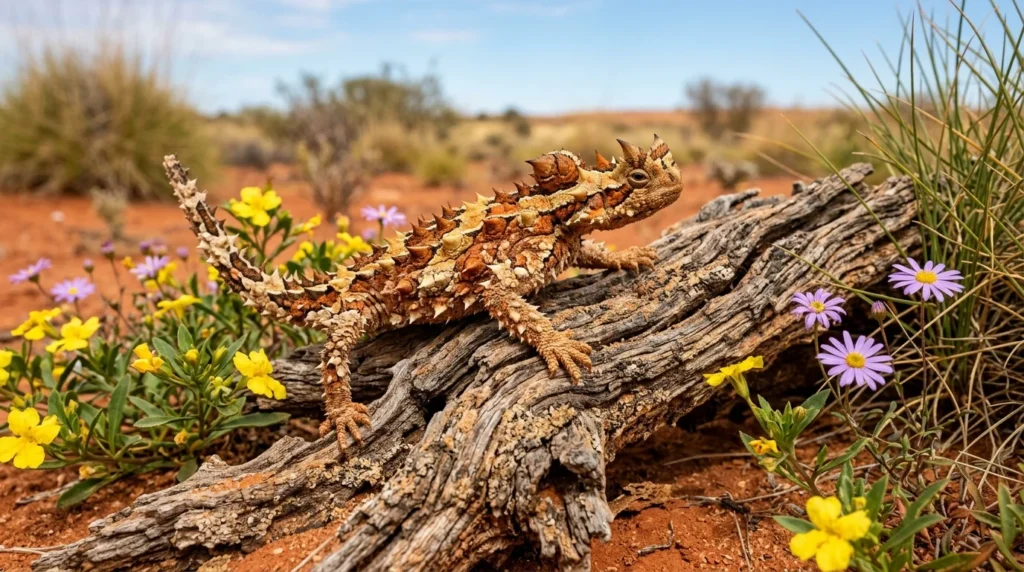
Ecological significance: Supports threatened species like the Greater bilby and Great Desert Skink
Name Context
As a given name, Tanami has gained popularity as both a masculine and feminine name, particularly for those seeking a name with deep cultural roots and a powerful meaning . The Tanami meaning—”never die”—makes it a name associated with resilience and endurance.
Japanese Context
In Japan, Tanami (たなみ or タナミ) is also a surname with entirely different origins and meanings. The kanji variations include combinations like:
田波 (Tanami): “Rice field” + “wave”
多並 (Tanami): “Many” + “line up/ordinary”
These meanings are completely unrelated to the Indigenous Australian origins of the Tanami desert and name.
Origin and History of Tanami
The Aboriginal Origins
The Tanami meaning is deeply rooted in the Warlpiri language and culture of central Australia . For thousands of years, the Warlpiri people have inhabited the Tanami Desert, their traditional lands covering much of the region .
The name itself is an anglicization of the Warlpiri word Chanamee, meaning “never die” . This referred to specific rock holes in the desert that were said never to run dry, even during the most severe droughts . These waterholes were vital to survival in one of the harshest environments on Earth.
European Exploration
The Tanami was one of the last regions of Australia to be explored by Europeans. The explorer Alan Davidson established Camp No. 66 at a waterhole in the hills, which he called Tanami on his map during his exploration of Central Australia in 1889/1900 .
While the Warlpiri people had inhabited the region “from time immemorial since the creative period, or jukurrpa,” European explorers found it to be a formidable frontier, not fully explored until well into the 20th century .
The Tanami Today
Today, the Tanami Desert is recognized as an interim Australian bioregion and an Indigenous Protected Area, covering approximately 25,997,277 hectares . It is home to threatened species like the Greater bilby, Great Desert Skink, Princess parrot, and Australian bustard .
Real Examples of Tanami in Conversations
Example 1: Geographic Context
Person A: “Which desert is the most remote in Australia?”
Person B: “Probably the Tanami—it was the last frontier, not fully explored until the 20th century.”
Meaning: The Tanami Desert is a remote region in northern Australia .
Why it was used: To describe a geographic feature.
Example 2: Name Context
Person A: “What does the name Tanami mean?”
Person B: “It comes from a Warlpiri word meaning ‘never die.’ It’s a beautiful, powerful name.”
Meaning: The Tanami meaning is “never die” .
Why it was used: To explain the name’s origin.
Example 3: Cultural Context
Person A: “Why is the Tanami Desert significant?”
Person B: “It’s sacred Warlpiri and Loritja country, with rock holes that never dry up and ancient Dreaming stories.”
Meaning: The Tanami has deep spiritual significance .
Why it was used: To explain cultural importance.
Common Mistakes and Misunderstandings
Confusing Tanami with Other Australian Names
The Tanami meaning is sometimes confused with other Indigenous Australian names. It’s distinct in its specific connection to the desert and its literal meaning of “never die.”
Assuming It’s Only a Place Name
While Tanami is most famous as a desert, the Tanami meaning has evolved to include its use as a given name, celebrated for its powerful meaning and cultural heritage .
Mispronouncing It
Tanami is pronounced tə-NAH-mee . The emphasis is on the second syllable.
Confusing the Indigenous and Japanese Meanings
The Tanami meaning in Indigenous Australian culture (never die) is entirely different from the Japanese surname Tanami, which has kanji meanings like “rice field and wave” .
Is Tanami Positive, Negative, or Neutral?
The Tanami meaning is deeply positive:
Positive aspects:
“Never die” symbolizes eternal resilience
Represents Indigenous Australian heritage and survival
Connects to a vast, beautiful desert landscape
Has spiritual depth through connection to the Dreaming