
What Does “Province” Mean?
Quick Definition
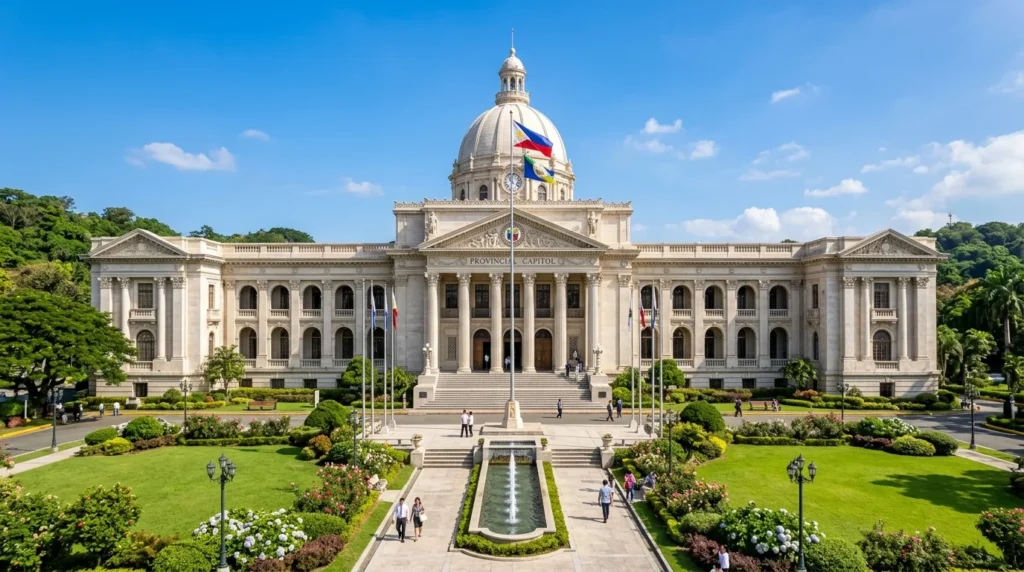
A province is a large administrative or political division of a country. It’s a territory governed as a unit of a country, often with its own local government. The province meaning describes a way to divide a country into smaller, easier-to-manage regions.
What It Usually Means In Conversations
When people talk about the province meaning in everyday conversation, they’re usually referring to one of these things:
An administrative division: The most common province meaning describes a political subdivision of a country. Countries like Canada, Pakistan, and the Netherlands are divided into provinces. This is the primary province meaning in geography and government contexts.
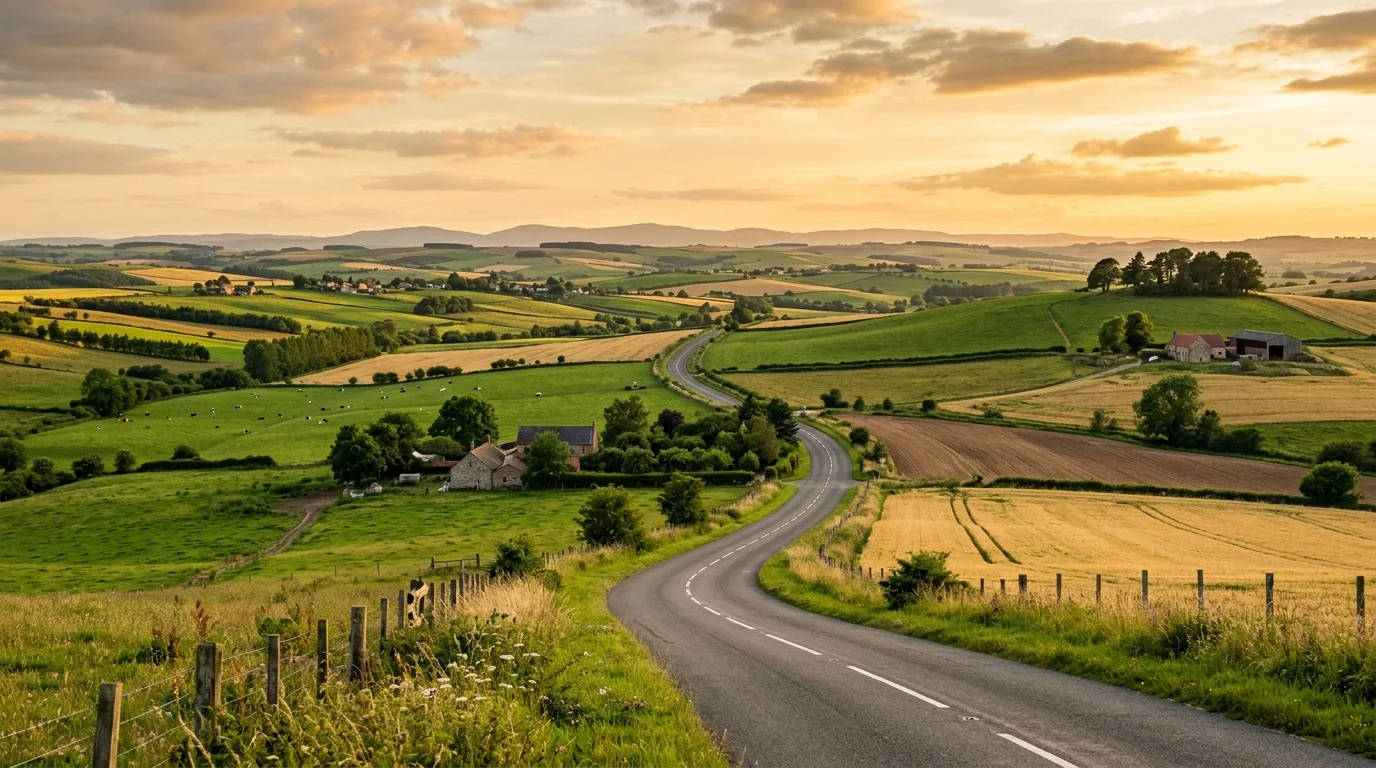
A region away from the capital: The plural form “the provinces” often refers to the parts of a country outside the main cities or away from the capital. This province meaning is about rural or less central areas.
An area of knowledge or authority: The province meaning can also describe someone’s area of expertise or responsibility. For example, “medical decisions fall within the province of doctors”. This province meaning is about scope or sphere of activity.
What Tone Does It Convey?
| Context | Tone | Example |
|---|---|---|
| Geography/Government | Neutral, factual | “Canada is divided into ten provinces” |
| “The provinces” | Sometimes dismissive | “They live in the provinces, far from the city” |
| Area of expertise | Formal, professional | “That question falls outside my province” |
Province Meaning in Different Contexts
Political and Administrative Context
The primary province meaning is a political subdivision of a country. Provinces are created to help a country’s government work better. Instead of one big government trying to manage everything, provinces handle local needs like education, infrastructure, and regional laws.
Geographic Context
Geographically, the province meaning describes a region within a country’s borders. Some countries are entirely divided into provinces, while others use different terms like “states” or “departments.”
Historical Context
The province meaning has historical significance dating back to the Roman Empire. The word comes from the Latin provincia, referring to conquered territories outside Italy that were governed by Roman officials. Understanding the historical province meaning helps explain why so many countries use this term today.
Ecological Context
In ecology, the province meaning describes a biogeographic division, a region characterized by specific plant and animal populations. This province meaning is less common but used in scientific contexts.
Area of Expertise
The province meaning extends beyond geography to describe someone’s field of knowledge or responsibility. For example, “determining the diagnosis is the province of a qualified doctor.”
Province vs. State vs. Territory
Understanding the province meaning often involves comparing it to similar terms:
| Term | Meaning | Example Countries |
|---|---|---|
| Province | Administrative division of a country | Canada, Pakistan, Netherlands, Spain |
| State | Administrative division, often with more autonomy | United States, Mexico, Australia |
| Territory | Region with less autonomy than a province | Canada’s territories (Yukon, Northwest Territories) |
| Department | Administrative division in some countries | France |
| Canton | Administrative division in some countries | Switzerland |
How They Differ
While provinces, states, and territories are all administrative divisions, they differ in their relationship to the central government. States often have more autonomy than provinces. Territories typically have even less autonomy than provinces and are more directly controlled by the national government.
Countries That Use Provinces
The province meaning is used in many countries around the world. Examples include:
Canada: Divided into 10 provinces and 3 territories
Pakistan: Divided into provinces like Punjab, Sindh, Khyber Pakhtunkhwa, and Balochistan
Netherlands: Divided into 12 provinces
Spain: Divided into provinces
Denmark: Divided into provinces
South Africa: Historically divided into provinces
Indonesia: Divided into provinces
Other Names for Provinces
Different countries use different names for their main subdivisions:
| Region Name | Country |
|---|---|
| Département | France |
| Canton | Switzerland |
| State | United States, Mexico, Australia |
| Bundesland | Germany, Austria |
| Voivodship | Poland |
| Prefecture | Japan |
| County | United Kingdom |
Real Examples of Province in Conversations
Example 1: Geography Discussion
Person A: “What part of Canada is she from?”
Person B: “She lives in British Columbia, which is one of Canada’s 10 provinces.”
Meaning: Explaining the administrative division.
Why it was used: To clarify the location within Canada.
Example 2: Administrative Context
Person A: “How is Pakistan organized?”
Person B: “It’s divided into several provinces, each with its own government.”
Meaning: Describing the political structure.
Why it was used: To explain a country’s governance.
Example 3: Area of Responsibility
Person A: “Can you help with this legal question?”
Person B: “That’s outside my province. You’ll need to ask a lawyer.”
Meaning: Outside someone’s area of expertise.
Why it was used: To decline a question outside one’s knowledge.
Example 4: “The Provinces”
Person A: “They’re moving out of the city.”
Person B: “Yes, they’re going to live in the provinces.”
Meaning: Rural or non-urban areas.
Why it was used: To describe moving away from the capital or city center.
Example 5: Historical Reference
Person A: “Why do we use the word province?”
Person B: “It comes from the Roman Empire’s provinces—conquered territories outside Italy.”
Meaning: Explaining the historical origin.
Why it was used: To provide etymological context.
Common Mistakes and Misunderstandings
Confusing Province with State
Myth: Province and state mean the same thing.
Reality: While similar, states often have more autonomy than provinces.
Thinking All Countries Use Provinces
Myth: Every country is divided into provinces.
Reality: Many countries use different terms, like states (USA), departments (France), or cantons (Switzerland).
Assuming Provinces Are Only in One Region
Myth: Provinces are only found in certain parts of the world.
Reality: The province meaning is used in countries across the globe—from Canada to Pakistan to Spain.
Confusing Province with Provence
Myth: “Province” and “Provence” are the same word.
Reality: Provence is a region in France and is spelled differently.
Similar Terms and Related Words
| Term | Meaning | Connection to Province |
|---|---|---|
| State | Administrative division | Similar, but often with more autonomy |
| Territory | Administrative division | Similar, but often with less autonomy |
| Canton | Swiss administrative division | Another type of subdivision |
| Department | French administrative division | Another type of subdivision |
| County | UK administrative division | Smaller than a province |
| Prefecture | Japanese administrative division | Similar to province |
Is “Province” Positive, Negative, or Neutral?
The province meaning is neutral—it describes an administrative division:
Neutral aspects:
It’s simply a way to divide a country
Can be positive (local governance) or negative (inefficiency)
Positive aspects:
Makes government more local and responsive
Helps manage large countries
Negative aspects:
“The provinces” can imply less sophistication
Can create regional tensions