
What Does “Wince” Mean?
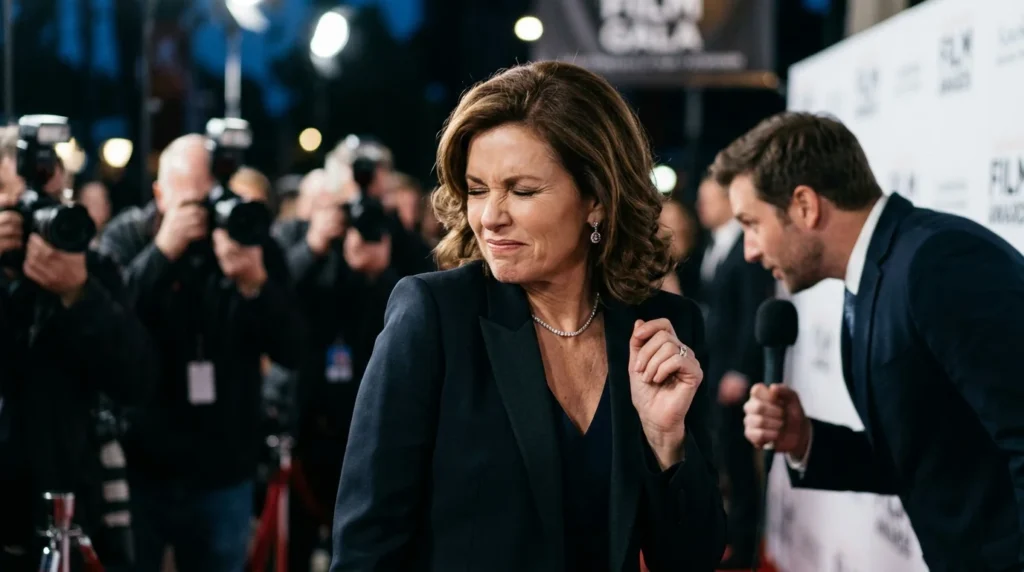
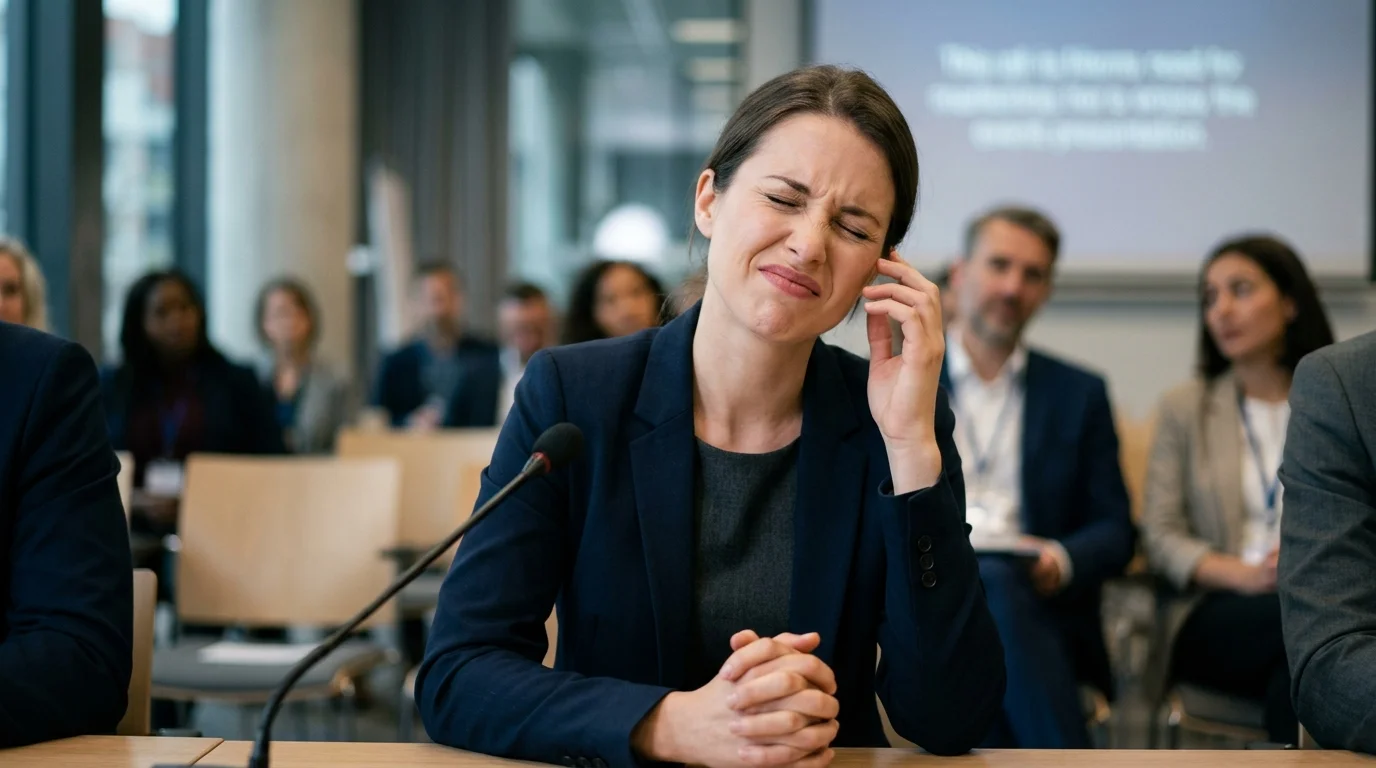
The word wince refers to a quick, involuntary reaction to something unpleasant.
Quick Definition
Wince (verb): To draw back slightly or make a brief facial expression because of pain, discomfort, embarrassment, or emotional distress.
Literal Meaning
When someone winces, they may:
- Flinch slightly
- Tighten their face
- Close their eyes briefly
- Pull back suddenly
- React instinctively to discomfort
What It Usually Means
People commonly wince because of:
- Physical pain
- Emotional hurt
- Embarrassment
- Awkward situations
- Unpleasant sounds or sights
Origin and History of Wince
The word wince has been part of the English language since the Middle Ages. It comes from Old French and was originally used to describe shrinking back or recoiling in response to pain or discomfort.
Over time, its meaning expanded to include emotional reactions, making it useful in both spoken and written English.
How People Actually Use “Wince”
The word appears in many everyday situations.
Physical Pain
Someone may wince after:
- Stubbing a toe
- Getting a paper cut
- Visiting the dentist
- Receiving a vaccine
- Touching something hot
Emotional Pain
People also wince when:
- Hearing criticism
- Remembering an embarrassing moment
- Listening to awkward conversations
- Receiving disappointing news
Everyday Conversation
You’ll often hear phrases like:
- “He winced in pain.”
- “She winced at the loud noise.”
- “I couldn’t help but wince.”
Real Examples of Wince
Example 1
“He winced after hitting his elbow on the table.”
Meaning: He reacted to physical pain.
Example 2
“She winced when the doctor gave her the injection.”
Meaning: She showed discomfort.
Example 3
“I winced at the sound of nails scraping the chalkboard.”
Meaning: The sound caused discomfort.
Example 4
“He winced after reading the harsh online comment.”
Meaning: Emotional discomfort.
Example 5
“The audience winced during the awkward speech.”
Meaning: They felt secondhand embarrassment.
Example 6
“She winced as she stretched her injured ankle.”
Meaning: Pain from movement.
Example 7
“I couldn’t help but wince when I saw the accident.”
Meaning: Instinctive reaction.
Example 8
“He winced after tasting the extremely sour lemon.”
Meaning: Reaction to an unpleasant taste.
Example 9
“She winced at the expensive repair bill.”
Meaning: Emotional reaction to bad news.
Example 10
“The child winced before getting the vaccine.”
Meaning: Anticipating pain.
Common Expressions with Wince
Some common phrases include:
- Wince in pain
- Wince with discomfort
- Wince at the thought
- Wince slightly
- Couldn’t help but wince
- Wince visibly
These expressions are frequently used in books, news articles, and everyday conversations.
Common Mistakes and Misunderstandings
Mistake: Wince only refers to physical pain.
Correct: It can describe both physical and emotional discomfort.
Mistake: Wince means crying.
Correct: Wincing is usually a brief facial expression or movement, not crying.
Mistake: Wince and flinch mean exactly the same thing.
Correct: A wince usually reflects pain or discomfort, while a flinch often results from surprise or the expectation of harm.
Mistake: Wincing always means someone is seriously injured.
Correct: Even minor discomfort can cause someone to wince.
Similar Words
| Word | Meaning | Difference |
|---|---|---|
| Flinch | Sudden movement from fear or surprise | Often anticipates danger |
| Grimace | Facial expression showing pain or disgust | Usually stronger than a wince |
| Recoil | Move backward suddenly | Involves greater physical movement |
| Cringe | Feel embarrassment or discomfort | Often emotional or social |
| Shrink | Pull back | More general movement |
| Shudder | Tremble briefly | Often from fear or cold |
| Gasp | Sudden intake of breath | Usually surprise or shock |
| Groan | Vocal expression of pain | Produces sound rather than facial movement |
Is Wince Positive, Negative, or Neutral?
Wince generally has a negative meaning because it describes a reaction to:
- Pain
- Discomfort
- Embarrassment
- Distress
- Awkwardness
However, the word itself is neutral in tone and simply describes the reaction.
Should You Use “Wince”?
Use “wince” when describing:
- Physical pain
- Emotional discomfort
- Awkward situations
- Sudden unpleasant reactions
- Realistic body language in writing
Avoid using “wince” when:
- The reaction is purely joyful.
- No discomfort or pain is involved.
- A stronger word like recoil or grimace is more accurate.