
What Does “Invert Sugar” Mean?
Quick Definition
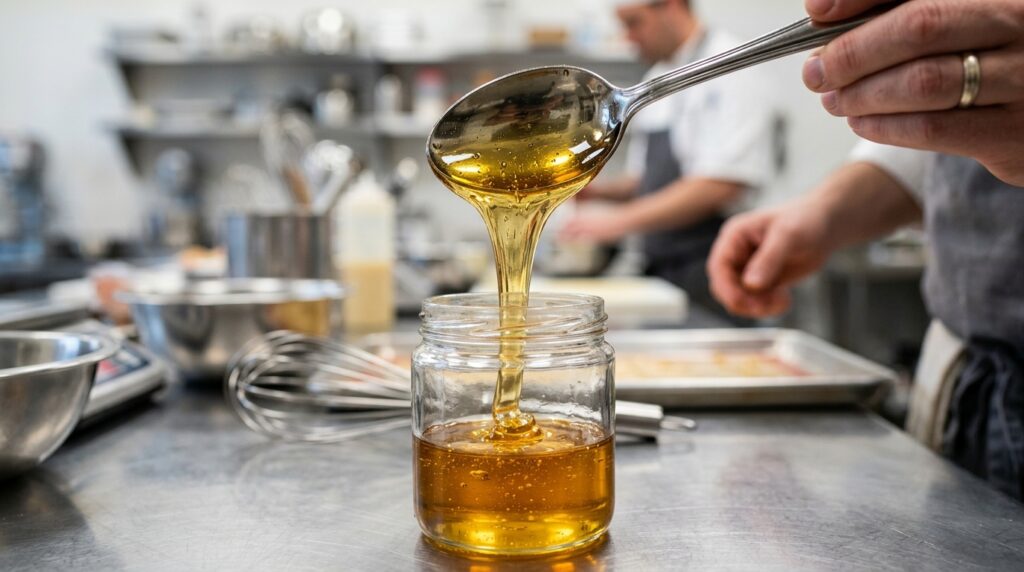
The invert sugar meaning refers to a mixture of glucose and fructose produced when ordinary table sugar (sucrose) is broken down through a process called hydrolysis.
Scientific Definition
Sucrose consists of:
- One glucose molecule
- One fructose molecule
When sucrose is split into these components, the result is invert sugar.
Why Is It Called Invert Sugar?
The term “invert” comes from a change in how the sugar solution interacts with polarized light. During the breakdown process, the optical rotation changes direction, becoming “inverted.”
What It Usually Means in Food
In everyday food production, invert sugar is simply a sweeter, more moisture-retaining form of sugar used to improve texture and shelf life.
How Invert Sugar Is Made
The invert sugar meaning becomes clearer when you understand the manufacturing process.
Step 1: Start With Sucrose
Regular table sugar is dissolved in water.
Step 2: Add Acid or Enzymes
Manufacturers use:
- Citric acid
- Tartaric acid
- Invertase enzyme
These substances break down sucrose.
Step 3: Hydrolysis Occurs
The sucrose molecule separates into:
- Glucose
- Fructose
Step 4: Final Product
The resulting syrup becomes invert sugar.
This syrup is commonly used throughout the food industry.
Chemical Composition of Invert Sugar
The invert sugar meaning involves understanding its composition.
Main Components
Invert sugar typically contains:
| Component | Percentage |
|---|---|
| Fructose | Approximately 50% |
| Glucose | Approximately 50% |
Water Content
Commercial invert sugar products may also contain water and trace minerals.
Sweetness Level
Invert sugar is sweeter than regular table sugar because fructose has a higher sweetness level than sucrose.
Why Food Manufacturers Use Invert Sugar
The invert sugar meaning is closely linked to its practical advantages.
Increased Sweetness
Invert sugar provides more sweetness per unit compared to ordinary sugar.
Better Moisture Retention
Foods stay softer and fresher longer.
Reduced Crystallization
This is especially important for:
- Candy
- Fondant
- Syrups
- Frostings
Improved Texture
Invert sugar creates smoother products.
Extended Shelf Life
Many commercial foods remain fresh longer due to invert sugar.
Common Uses of Invert Sugar
Baking
Professional bakers frequently use invert sugar because it:
- Keeps cakes moist
- Improves softness
- Extends freshness
Candy Making
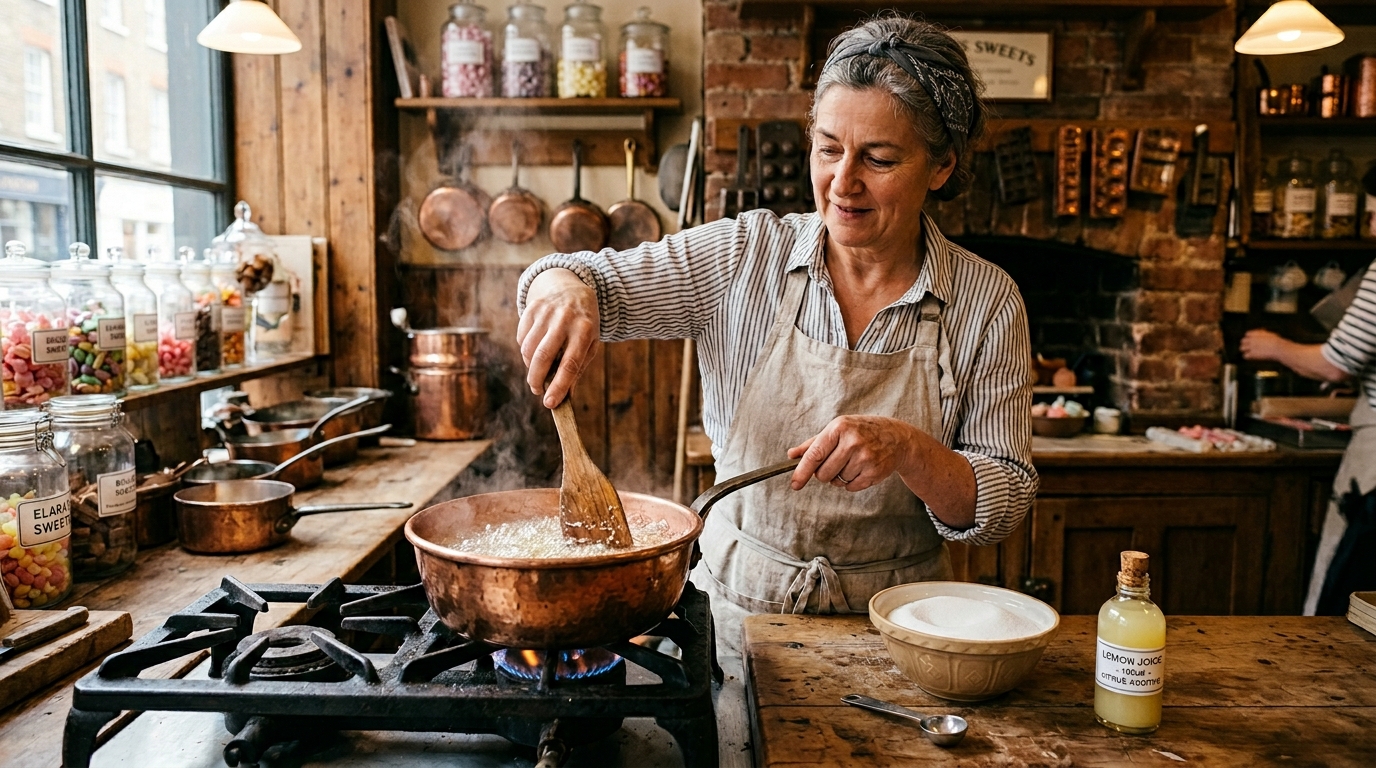
Confectioners use invert sugar to:
- Prevent sugar crystals
- Create smooth textures
- Improve consistency
Ice Cream
Invert sugar helps:
- Reduce ice crystal formation
- Create smoother textures
Soft Drinks
Many beverages use invert sugar syrups.
Jams and Jellies
It improves texture and sweetness.
Honey Alternatives
Some syrups contain invert sugar because honey naturally contains glucose and fructose.
Invert Sugar vs Regular Sugar
Many people researching the invert sugar meaning want to know how it compares to ordinary sugar.
| Feature | Invert Sugar | Regular Sugar |
| Composition | Glucose + Fructose | Sucrose |
| Sweetness | Higher | Standard |
| Moisture Retention | Excellent | Moderate |
| Crystallization | Low | Higher |
| Shelf Life Benefits | Strong | Moderate |
| Texture Improvement | Excellent | Limited |
Natural Sources of Invert Sugar
The invert sugar meaning isn’t limited to manufactured products.
Several natural foods contain similar sugar mixtures.
Honey
Honey naturally contains:
- Fructose
- Glucose
This makes it similar to invert sugar.
Fruits
Many fruits contain naturally occurring glucose and fructose.
Examples include:
- Apples
- Grapes
- Pears
- Peaches
Fruit Juices
Fruit juices often contain naturally inverted sugars.
Benefits of Invert Sugar
Better Product Stability
Foods remain consistent over time.
Improved Mouthfeel
Textures become smoother and more enjoyable.
Longer Freshness
Baked goods stay moist longer.
Better Freezing Performance
Frozen desserts develop fewer ice crystals.
Enhanced Flavor Perception
The higher sweetness level improves flavor intensity.
Potential Drawbacks of Invert Sugar
The invert sugar meaning also includes understanding its limitations.
Added Sugar Content
Invert sugar remains a form of sugar.
Calorie Contribution
It contributes calories similarly to other sugars.
Overconsumption Concerns
Excessive consumption of added sugars may contribute to:
- Weight gain
- Dental problems
- Blood sugar issues
Not a Health Food
Despite its advantages in food production, invert sugar should not be viewed as a health supplement.
How People Actually Encounter Invert Sugar
Most consumers see invert sugar in:
- Candy labels
- Bakery products
- Ice cream ingredients
- Breakfast pastries
- Energy bars
- Soft drinks
- Processed foods
Many people consume invert sugar without realizing it because it often appears as an ingredient rather than a highlighted product feature.
Real Examples of Invert Sugar in Food
Example 1: Cake
A bakery uses invert sugar to keep a cake moist.
Meaning: Improved freshness.
Why used: Moisture retention.
Example 2: Caramel Candy
A candy manufacturer adds invert sugar.
Meaning: Reduced crystallization.
Why used: Smooth texture.
Example 3: Ice Cream
Invert sugar prevents large ice crystals.
Meaning: Better consistency.
Why used: Improved mouthfeel.
Example 4: Soft Drink
A beverage company uses invert sugar syrup.
Meaning: Sweetening agent.
Why used: Consistent sweetness.
Example 5: Frosting
A baker incorporates invert sugar.
Meaning: Stable icing texture.
Why used: Prevent crystallization.
Example 6: Fruit Filling
A pie filling contains invert sugar.
Meaning: Enhanced moisture retention.
Why used: Longer shelf life.
Example 7: Jam Production
Manufacturers add invert sugar.
Meaning: Better preservation.
Why used: Improved stability.
Example 8: Energy Bars
Invert sugar improves texture.
Meaning: Soft consistency.
Why used: Product quality.
Example 9: Cookies
A recipe includes invert sugar syrup.
Meaning: Softer baked goods.
Why used: Freshness retention.
Example 10: Chocolate Centers
Invert sugar helps maintain smooth fillings.
Meaning: Better texture.
Why used: Prevent sugar crystallization.
Common Misunderstandings About Invert Sugar
Misunderstanding 1: It Is Artificial
Invert sugar is not necessarily artificial.
It can be produced using natural ingredients and enzymes.
Misunderstanding 2: It Is Healthier Than Sugar
Invert sugar is still sugar and should be consumed in moderation.
Misunderstanding 3: It Contains No Calories
Invert sugar contains calories similar to other sugars.
Misunderstanding 4: It Is the Same as Corn Syrup
These are different sweeteners with different compositions.
Misunderstanding 5: Only Factories Use It
Home bakers also use invert sugar in specialized recipes.
Related Sweetener Terms
| Sweetener | Meaning | Difference |
| Invert Sugar | Glucose + Fructose | Broken-down sucrose |
| Sucrose | Table Sugar | Standard sugar |
| Fructose | Fruit Sugar | Sweeter than sucrose |
| Glucose | Simple Sugar | Less sweet |
| Honey | Natural Sweetener | Contains natural invert sugars |
| Corn Syrup | Glucose-Based Syrup | Different composition |
| Maple Syrup | Tree Sap Sweetener | Different source |
| Agave Syrup | Plant-Based Sweetener | Higher fructose |
| Molasses | Sugar Processing Byproduct | Rich flavor |
| Brown Sugar | Sugar + Molasses | Different texture |
Is Invert Sugar Positive, Negative, or Neutral?
The invert sugar meaning is generally neutral.
Positive Uses
- Better baking results
- Improved texture
- Longer freshness
- Enhanced stability
Neutral Uses
- Sweetening foods
- Food manufacturing
Potential Concerns
Excessive intake of any added sugar should be limited.
Should You Use Invert Sugar?
Use It If
- You bake professionally
- You make candy
- You want softer baked goods
- You need better moisture retention
Avoid Excessive Use If
- You’re reducing sugar intake
- You’re following a low-sugar diet
- You’re monitoring calorie consumption